






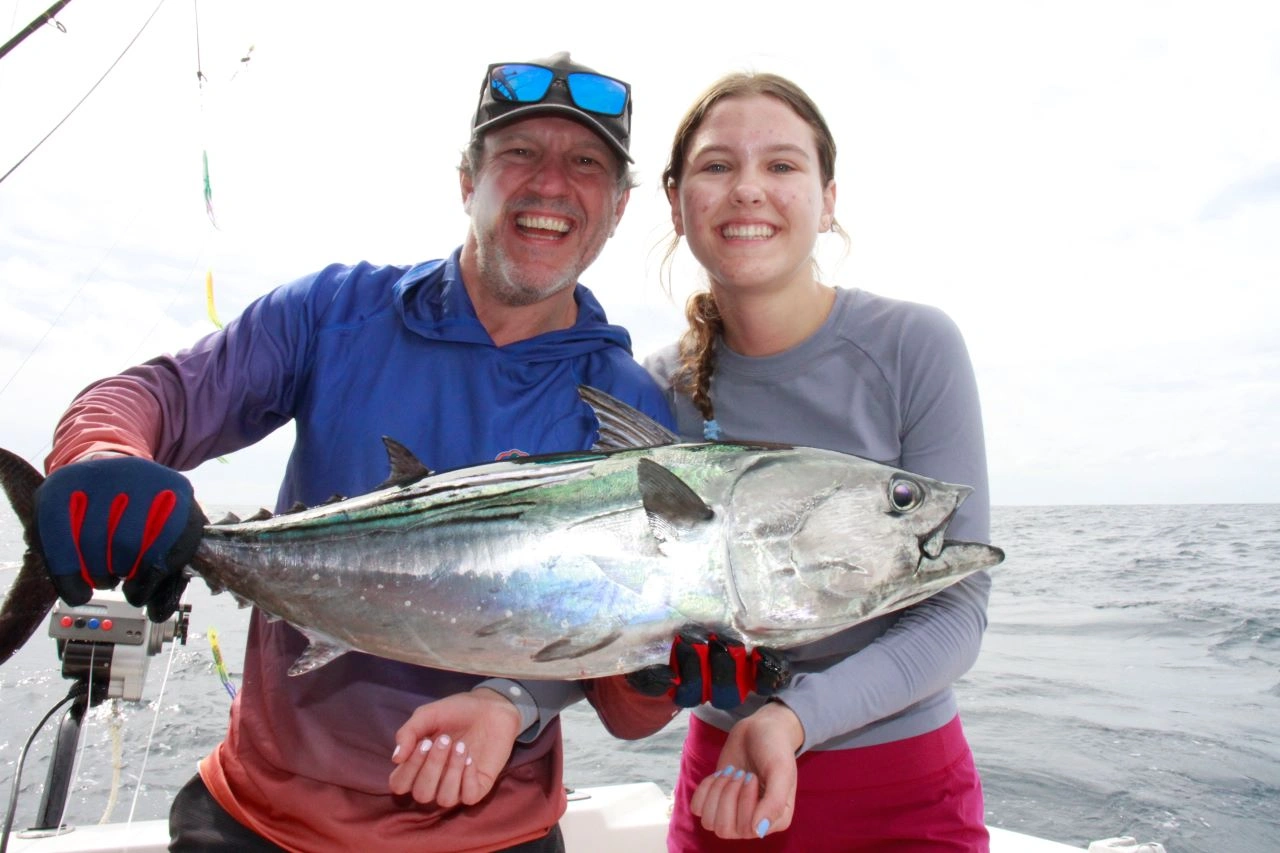
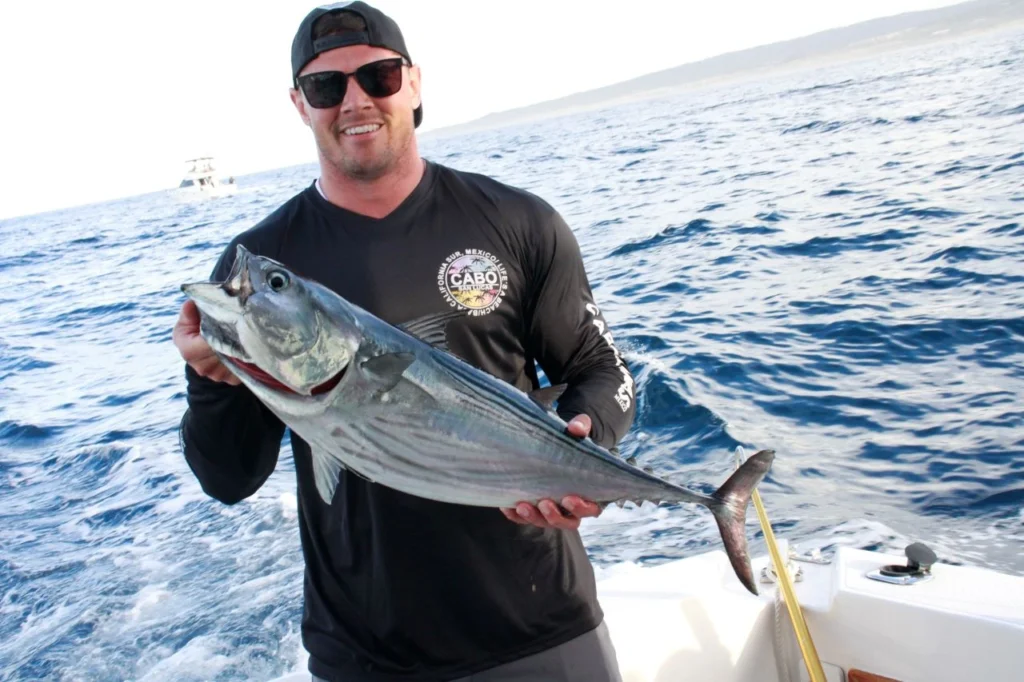
January brings a unique mix of challenges and opportunities for anglers targeting tuna in the waters off Cabo San Lucas. If you are exploring Cabo Tuna Fishing in January, you’ll find that while tuna activity can be lower than in the warmer months, experienced captains know the areas and tactics that yield results. Yellowfin tuna are the primary species, providing fast-paced, powerful fights for anglers who love a challenge on the open water.
This guide will cover Cabo Tuna Fishing in January, including where to fish, techniques to increase success, the behavior of tuna during winter, and tips from local experts to ensure a productive and exciting day offshore.
Cabo Fishing in January: Winter Tuna Dynamics
January is part of the winter season in Cabo, which brings cooler water temperatures and generally calmer seas. While dorado may be less abundant, tuna can still be found actively feeding in specific offshore locations.
Charters targeting tuna rely on Cabo Tuna Fishing in January patterns such as thermoclines, baitfish concentrations, and floating debris where tuna hunt. Understanding these environmental cues is essential for maximizing your chances of landing these powerful pelagic predators.
Where to Find Tuna in January
Even in January, tuna are present in Cabo’s offshore waters, often following migrating baitfish and thermoclines:
Thermocline Zones: Tuna feed where water temperature changes sharply.
Bait Concentrations: Sardines, caballito, and mackerel attract schools of yellowfin.
Offshore Banks: Areas such as the 1150 Bank and Gordo Bank hold consistent tuna populations.
Floating Debris or Weed Lines: Tuna often hunt near these microhabitats where baitfish gather.
Knowing where to look is key for Cabo Tuna Fishing in January, and skilled captains use years of experience combined with live observation to identify active schools.
Techniques for Tuna Fishing in Winter
Targeting tuna in January requires a mix of patience and strategy:
Trolling: Metals, diving plugs, and artificial lures imitate baitfish and provoke strikes.
Chunking: Cutting up live bait to attract tuna works well near concentrations of fish.
Live Bait: Using small caballito or sardines close to the school can entice bites.
Drifting: Effective around floating debris or weed lines to present bait naturally.
Gear: Medium-heavy tackle allows for longer fights and ensures proper handling of large tuna.
These techniques help anglers maximize success during Cabo Tuna Fishing in January.
Behavior of Yellowfin Tuna
Yellowfin tuna in January exhibit specific behaviors that affect how charters approach fishing:
Feeding: Winter tuna often feed in smaller groups, requiring careful observation.
Aggression: While less active than summer, tuna remain aggressive near bait concentrations.
Strength: Even smaller winter tuna provide fast, powerful runs that challenge tackle and technique.
Surface Activity: Tuna may feed close to the surface, giving anglers exciting visual strikes.
Observing these behaviors is essential for productive Cabo Tuna Fishing in January.
Complementary Species to Expect
While yellowfin tuna are the target, other species may provide action during January charters:
Striped Marlin: Occasionally encountered offshore, providing dramatic jumps and long runs.
Dorado (Mahi-Mahi): Found near floating debris or weed lines, adding variety to your day.
Wahoo: Aggressive and fast, these predators offer short but intense battles.
Inshore Species: Roosterfish, snapper, and grouper may be available closer to shore.
Targeting multiple species ensures a diverse and exciting day while experiencing Cabo Tuna Fishing in January.
Timing Your Tuna Fishing Trip
Morning: Calm seas make it easier to locate feeding schools and bait activity.
Afternoon: Adjusting trolling patterns and drift strategies can trigger additional bites.
Scheduling your charter around these patterns improves your chances for a successful Cabo Tuna Fishing in January experience.
Environmental Considerations
Several environmental factors influence tuna activity in January:
Water Temperature – Cooler pockets can slow tuna activity; thermoclines are important feeding zones.
Currents – Converging currents concentrate baitfish, attracting tuna.
Baitfish Movements – Schools of sardines, caballito, or mackerel drive tuna feeding patterns.
Bird Activity – Diving birds often signal active surface feeding by tuna and other predators.
Understanding these factors allows captains to optimize Cabo Tuna Fishing in January and increase success rates.
Why Choose Cabo San Lucas Fishing
At Cabo San Lucas Fishing, our experienced captains know how to locate tuna even during the winter months. Using real-time observations, historical data, and knowledge of January patterns, we provide charters designed to maximize strikes and ensure an exciting and productive day on the water.
Whether you are an experienced angler or a first-time visitor, Cabo Tuna Fishing in January with our professional team ensures a safe, fun, and rewarding experience.
Contact Cabo San Lucas Fishing to plan your January tuna adventure:
info@cabosanlucasfishing.com
+1.780.919.6595
Website: Click Here
Call or email today to learn more about Cabo Tuna Fishing in January and schedule a charter tailored to your goals and skill level.

