






Every year thousands of anglers arrive in Cabo San Lucas with dreams of watching a marlin rise behind the spread, light up electric blue beneath the surface, and attack a bait with the kind of aggression that has made billfishing one of the most addictive forms of fishing on the planet. Before long, almost every visitor finds themselves asking the same question: What Is the Best Bait for Marlin in Cabo?
The answer is more complicated than most people expect because marlin are opportunistic predators that feed on a variety of baitfish throughout the year. Water temperature, bait migrations, current conditions, seasonality, and even daily feeding behavior can influence which presentation produces the best results. A bait that dominates during one month may not be nearly as productive several months later, which is why experienced captains spend so much time studying conditions before lines ever enter the water.
One of the biggest misconceptions among first-time anglers is the belief that there must be a single magical bait that consistently outperforms everything else. If offshore fishing were that simple, every boat in the marina would be catching marlin every day. The reality is that successful marlin fishing is a combination of presentation, bait selection, water conditions, trolling strategy, and experience. Nevertheless, certain baits have proven themselves repeatedly in Cabo waters and have earned their place among the most productive marlin offerings used by professional crews.
Understanding What Is the Best Bait for Marlin in Cabo? requires understanding what marlin naturally feed on in the waters surrounding Baja California Sur. Fortunately, Cabo sits in one of the richest marine ecosystems found anywhere in the Pacific, providing marlin with a buffet of baitfish that keeps them actively feeding throughout the year.
Why Natural Bait Remains the Foundation of Marlin Fishing in Cabo
Despite all the advancements in offshore tackle, lure design, sonar technology, drones, and tournament innovations, natural bait remains one of the most effective tools available for targeting marlin. There is a simple reason for this continued success. Natural bait looks natural, smells natural, swims naturally, and behaves exactly the way marlin expect prey to behave.
When experienced captains discuss What Is the Best Bait for Marlin in Cabo?, live bait almost always enters the conversation very quickly because it creates a presentation that marlin often find difficult to resist. A healthy baitfish struggling naturally behind a boat creates vibrations, movement patterns, and visual signals that trigger predatory instincts in a way that artificial offerings sometimes cannot duplicate.
The effectiveness of natural bait becomes especially noticeable when marlin are feeding selectively. On certain days, fish may investigate teasers, approach lures, or follow spreads without committing aggressively. Introducing a properly rigged natural bait often changes that behavior by giving the fish exactly what it wants to see.
This does not mean artificial lures are ineffective. In fact, some of Cabo’s most successful captains rely heavily on lure fishing. However, natural bait continues earning its reputation because of its remarkable ability to convert interested fish into hooked fish.
How Mackerel Became One of the Best Baits for Marlin in Cabo
Among all the bait options available throughout the year, few receive more respect from experienced crews than mackerel. These baitfish possess an ideal combination of size, movement, durability, and natural appeal that makes them extremely effective when targeting striped marlin, blue marlin, and even black marlin.
When anglers ask What Is the Best Bait for Marlin in Cabo?, many captains immediately mention mackerel because marlin encounter them naturally throughout the region. A healthy mackerel swimming behind the boat presents a profile that predators recognize instantly, creating confidence in the presentation before the fish ever commits to an attack.
Another advantage of mackerel is versatility. They can be slow-trolled, bridled, live-rigged, or incorporated into a variety of presentations depending upon conditions. Their durability allows crews to fish them effectively without constant bait replacement, which becomes especially important during long offshore days when maintaining quality bait is essential.
The visual aspect should not be underestimated either. Watching a nervous mackerel suddenly accelerate or begin behaving erratically often signals that a predator is nearby. Many marlin encounters begin with subtle changes in bait behavior that experienced crews recognize immediately.
What Makes Live Caballito Such a Productive Marlin Bait in Cabo
Few baitfish have developed a stronger reputation among local captains than caballito. Known for their toughness and ability to remain lively for extended periods, caballito consistently produce marlin throughout the year and are widely regarded as one of the most reliable bait options available.
Part of their effectiveness comes from their resilience. Offshore conditions can sometimes be challenging for delicate baitfish, but caballito tend to remain active and attractive even during longer trolling sessions. Their movement creates a presentation that marlin find extremely appealing, particularly when fish are actively feeding on bait schools throughout the region.
Understanding What Is the Best Bait for Marlin in Cabo? often involves recognizing that durability matters almost as much as appearance. A bait that remains lively for extended periods naturally spends more time fishing effectively. This is one reason so many professional crews continue relying on caballito despite having access to countless other options.
Visitors are frequently surprised by how much attention crews devote to bait quality. The process begins long before marlin appear. Healthy bait is selected carefully, maintained properly, and monitored continuously because everyone aboard understands that a single exceptional bait may ultimately produce the fish of the day.
Why Flying Fish Have a Legendary Reputation Among Blue Marlin Anglers
Although flying fish are not always available throughout the year, they occupy a special place within the offshore fishing community because of their incredible effectiveness when targeting larger marlin.
Blue marlin in particular seem to have a strong attraction to flying fish, which is hardly surprising considering how frequently they feed on them naturally. The profile, size, and movement pattern closely resemble prey that large marlin actively pursue offshore.
Whenever anglers debate What Is the Best Bait for Marlin in Cabo?, flying fish inevitably enter the discussion because of their history of producing trophy-class fish. Large blue marlin have been caught throughout the world using flying fish presentations, and Cabo is no exception.
Part of their appeal comes from realism. A properly rigged flying fish looks exactly like something a large marlin expects to encounter in open water. When conditions align and larger fish are actively feeding, the results can be spectacular.
The challenge, of course, is availability. Flying fish are not always practical for every trip, which is why captains maintain multiple bait strategies depending upon conditions.
How Cabo San Lucas Fishing Helps Anglers Understand Marlin Bait Selection
One reason many visiting anglers become overwhelmed when researching marlin fishing is because there are countless opinions regarding bait, lures, rigs, teasers, and offshore strategies. Cabo San Lucas Fishing helps simplify that process by providing information regarding fishing seasons, water temperatures, species behavior, offshore conditions, and fishing techniques used throughout the year.
Visitors can learn why certain baits perform better during specific seasons, how marlin feeding patterns change throughout the year, and why professional crews often adapt their strategies based on current conditions rather than relying on a single approach.
The more anglers understand about the fishery, the more they appreciate that answering What Is the Best Bait for Marlin in Cabo? requires considering the entire offshore environment rather than focusing on a single baitfish.
Why Successful Captains Focus on Presentation as Much as Bait
One of the most valuable lessons learned by experienced marlin anglers is that even the best bait can perform poorly if presented incorrectly. Conversely, a good bait presented exceptionally well can often outperform supposedly superior options.
Presentation influences visibility, movement, speed, positioning, and realism. Every element contributes to the final result.
A marlin does not evaluate bait the way anglers do. The fish responds instinctively to movement, opportunity, vulnerability, and feeding triggers. Successful captains understand this relationship and spend enormous effort creating situations where predators feel comfortable committing to an attack.
That attention to detail is one reason some crews consistently outperform others despite fishing the same waters.
Why Lures and Artificial Baits Still Play a Major Role in Marlin Fishing Cabo Waters
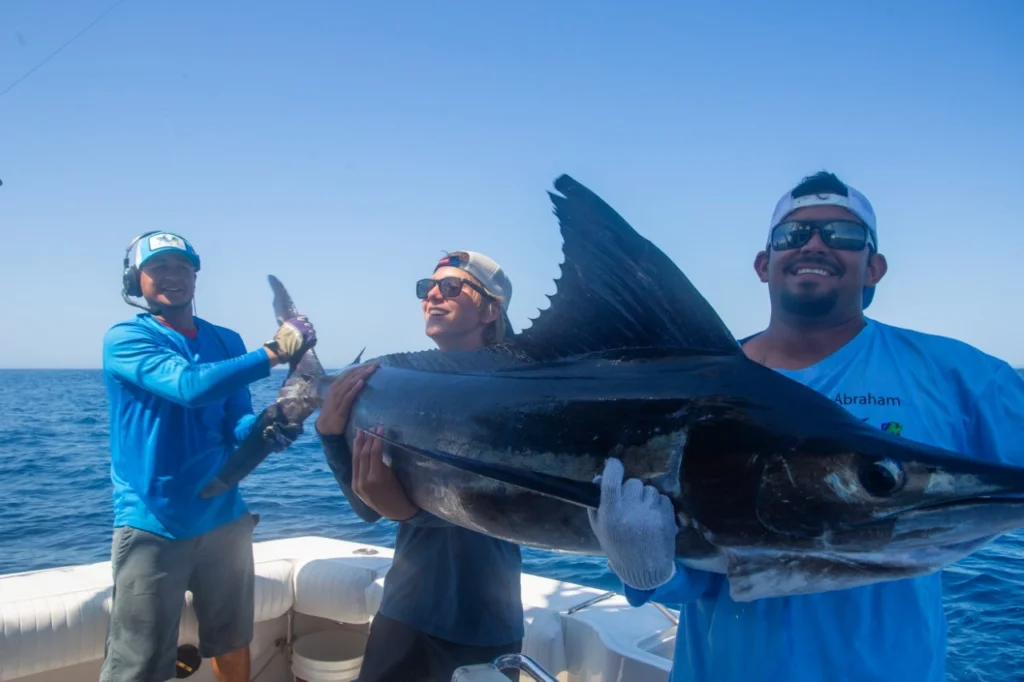
Whenever anglers begin debating What Is the Best Bait for Marlin in Cabo?, the discussion often starts with natural bait because it has been producing fish for generations. However, ignoring artificial lures would be a mistake because many of the largest marlin landed in Cabo have been caught on carefully selected lure spreads designed specifically to imitate the baitfish marlin feed upon throughout the year.
Modern lure technology has evolved dramatically over the past several decades. Tournament crews routinely invest thousands of dollars in specialized lure collections because they understand that certain lure profiles consistently trigger strikes under particular conditions. Large plunger-style lures, jet heads, bullet heads, skirted trolling lures, and custom-crafted offshore presentations all play important roles within the fishery.
The key advantage of artificial lures is efficiency. Captains can cover large amounts of water while maintaining a spread capable of attracting fish from considerable distances. Lures also allow crews to fish faster, search more territory, and remain productive even when live bait supplies become limited.
Many successful marlin days actually begin with lures locating fish before natural bait is deployed to secure the bite. This combination strategy has become increasingly common among experienced crews because it combines the searching power of artificial presentations with the conversion ability of natural bait.
Understanding What Is the Best Bait for Marlin in Cabo? therefore requires accepting that the answer may not always involve a traditional baitfish. Sometimes the best bait is actually a lure that effectively imitates one.
How Teasers Influence What Is the Best Bait for Marlin in Cabo?
One of the most fascinating aspects of modern marlin fishing is that the fish often become interested in something they are never intended to eat.
Teasers have revolutionized offshore fishing because they allow crews to attract marlin aggressively without immediately presenting a hook. Large teaser systems create the illusion of a feeding opportunity, encouraging marlin to approach the spread and investigate.
Once the fish commits to the teaser, the crew introduces a bait.
This strategy helps explain why answering What Is the Best Bait for Marlin in Cabo? involves much more than discussing bait alone. In many cases, the teaser creates the opportunity while the bait finishes the job.
Some of the most successful Cabo crews utilize advanced teaser systems that include dredges, squid chains, custom teaser bars, artificial bait schools, and other attractors specifically designed to stimulate a marlin’s curiosity. Tournament-caliber operations often run highly sophisticated teaser spreads because they understand how effectively marlin respond to visual stimulation.
When a marlin suddenly appears behind a teaser spread, the atmosphere aboard the boat changes immediately. The crew becomes focused. The angler becomes excited. Every movement becomes intentional because everyone understands that a fish is now engaged and the next few moments may determine whether the encounter results in a hookup.
This combination of teaser and bait presentation has become one of the most effective methods used in Cabo today.
Why Matching the Hatch Matters More Than Many Anglers Realize
One concept that repeatedly appears in successful offshore fishing is the idea of matching the hatch. The phrase originated in fly fishing circles but applies equally well to marlin fishing because predators tend to focus on prey that is abundant and familiar within their environment.
If marlin are feeding heavily on mackerel, presenting a bait that resembles mackerel often makes sense. If flying fish dominate the food chain, presentations that imitate flying fish frequently become more productive. If squid become abundant, captains may adapt their strategies accordingly.
This principle helps explain why What Is the Best Bait for Marlin in Cabo? changes throughout the year rather than remaining fixed. The ecosystem is constantly evolving, which means successful anglers evolve with it.
Captains who pay attention to current feeding patterns gain valuable insight into what marlin are likely seeking. Those observations influence bait selection, lure choice, trolling speed, spread configuration, and overall fishing strategy.
The fish themselves provide clues.
Successful crews simply learn how to interpret them.
Why Live Bait Often Produces the Most Memorable Marlin Encounters
Although lure fishing is extremely productive, there remains something uniquely exciting about watching a live bait presentation unfold. A healthy baitfish swimming naturally creates a level of realism that even the most expensive lure cannot fully replicate.
When a marlin begins tracking a live bait, everyone aboard the boat can often see the interaction developing. The fish may appear behind the bait. It may circle. It may become increasingly aggressive. The anticipation builds gradually, creating a dramatic sequence that many anglers find unforgettable.
This visual excitement contributes significantly to why live bait remains such an important part of the conversation surrounding What Is the Best Bait for Marlin in Cabo?
The bite becomes personal.
The fish is not merely striking an object.
It is hunting.
Watching that process unfold in clear Cabo water is one of the experiences that keeps anglers returning year after year.
Many fishermen can remember their first marlin.
Many can remember the lure.
Almost all can remember the bite.
That memory is often what makes marlin fishing so addictive.
How Cabo San Lucas Fishing Helps Visitors Understand Marlin Feeding Behavior
Successful marlin fishing begins with understanding marlin themselves.
Cabo San Lucas Fishing helps anglers learn about:
- Seasonal bait migrations
- Marlin feeding habits
- Water temperature changes
- Offshore fishing reports
- Species behavior
- Productive fishing techniques
- Charter planning strategies
This information allows visitors to appreciate why certain baits become productive during specific periods and why successful crews remain flexible throughout the year.
The fishery changes constantly.
The best captains adapt constantly.
The most successful anglers learn to do the same.
The Real Answer to What Is the Best Bait for Marlin in Cabo?
After examining mackerel, caballito, flying fish, natural bait, artificial lures, teaser systems, and feeding behavior, the answer becomes both simple and surprisingly complicated at the same time.
What Is the Best Bait for Marlin in Cabo?
The best bait is the one that most closely matches what marlin are actively feeding upon under current conditions.
For much of the year, live mackerel remains among the most respected and productive bait choices available. Caballito consistently earns praise from professional crews because of its durability and effectiveness. Flying fish can be exceptionally productive when targeting larger marlin. Artificial lures continue catching enormous numbers of fish while helping captains cover water efficiently. Modern teaser systems increase opportunities by attracting fish into the spread before bait is ever presented.
The reason there is no single permanent answer is because marlin are dynamic predators operating within a constantly changing ecosystem. What worked perfectly last month may not be ideal today. What produced the biggest fish yesterday may be replaced by a different pattern tomorrow.
That constant evolution is one reason marlin fishing remains endlessly fascinating.
Every day begins with possibility.
Every spread tells a story.
Every bait carries potential.
And somewhere beyond the wake, beneath the deep blue waters that have made Cabo famous among anglers around the world, a marlin is making a decision that may transform an ordinary fishing day into the highlight of someone’s lifetime.