







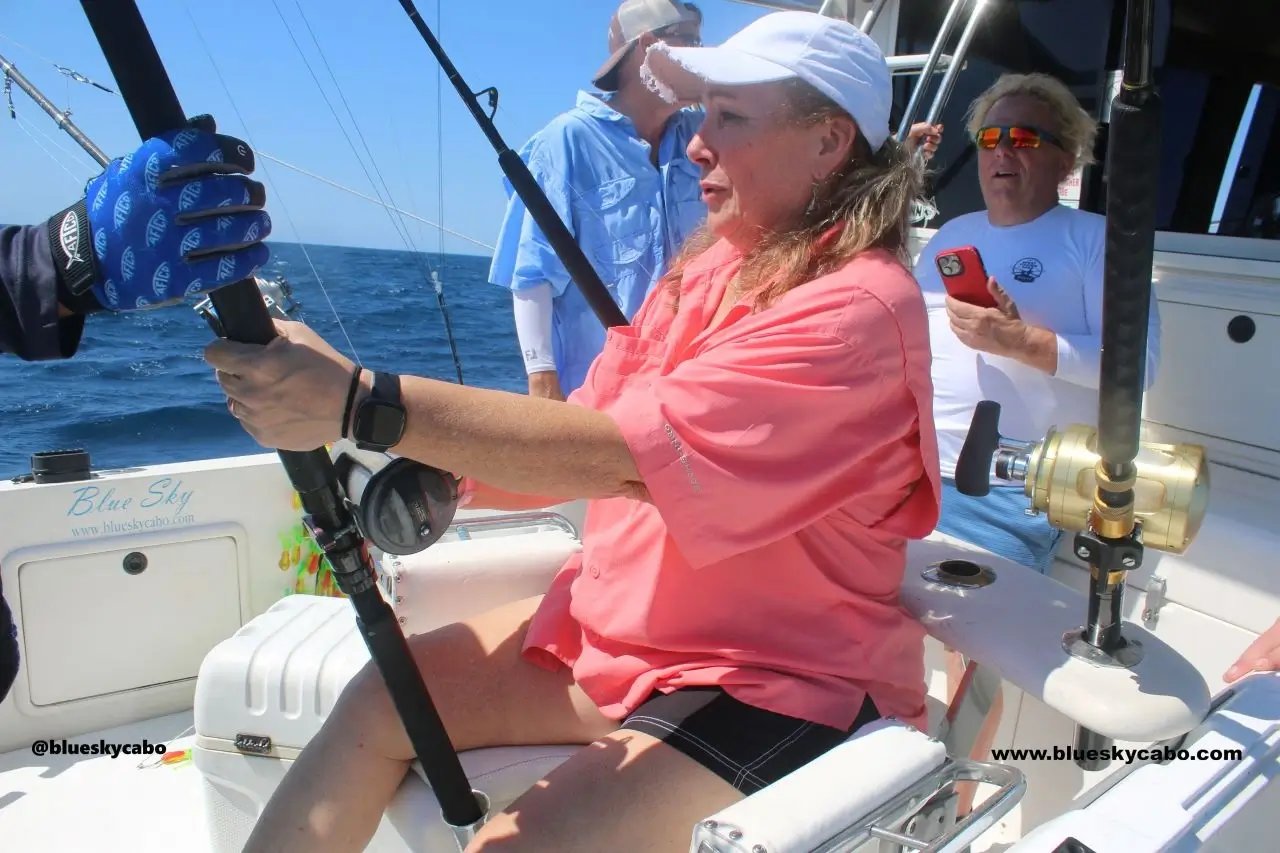
If you are planning to fish from a boat in Cabo San Lucas, you should expect to need a valid Mexican recreational sport fishing license, because boat-based recreational fishing in Mexico is regulated and the appropriate permit is considered part of the normal preparation for a legitimate Cabo fishing charter. For visitors arriving in southern Baja to pursue striped marlin, blue marlin, yellowfin tuna, dorado, wahoo, roosterfish, snapper, grouper, or other game fish, arranging the correct fishing permit should be handled before the boat leaves the marina so that the fishing day can begin without unnecessary delays or confusion.
The most important exception involves recreational fishing conducted directly from shore, because Mexican federal guidance treats shore fishing differently from fishing aboard a vessel, which means anglers casting from an appropriate beach are not subject to the same recreational permit requirement that applies to someone actively fishing from a charter boat. Even with that distinction, anglers should remember that the absence of a shore-fishing license requirement does not eliminate other fishing regulations involving catch limits, species restrictions, protected areas, seasonal closures, legal fishing methods, or local safety considerations.
For most tourists booking a Cabo San Lucas fishing charter, the licensing process is relatively straightforward when it is addressed during the booking process, because professional charter operators routinely deal with anglers arriving from the United States, Canada, Europe, and other international destinations who need to understand what documents and permits apply to their planned fishing activity.
The simplest approach is to determine who will actually be fishing, confirm the dates of the charter, verify how the licenses will be arranged, keep the necessary documentation accessible, and then allow the focus to shift toward the much more enjoyable question of whether the day will produce marlin, tuna, dorado, wahoo, or another prized Cabo species.
Why Anglers Joining a Cabo San Lucas Fishing Charter Should Arrange the Correct Mexican Fishing License Before Departure
Mexico regulates recreational fishing activities conducted from boats, which means visitors who intend to participate actively in a Cabo fishing charter should have the appropriate permit in place before the first bait, lure, or trolling spread enters the water. This requirement applies regardless of whether the angler has decades of offshore experience or is holding a fishing rod for the first time, because the relevant distinction involves participating in recreational fishing aboard a vessel rather than the skill level or nationality of the person doing the fishing.
This becomes especially important in Cabo San Lucas, where most serious sport fishing begins from a marina and continues offshore toward productive Pacific or Sea of Cortez waters that may include Cabo Falso, San Jaime Bank, Golden Gate Bank, the 1150 Bank, Gordo Banks, and other current edges, temperature breaks, offshore banks, and bait-rich zones. Once the boat reaches those waters and guests begin actively fishing, the recreational permit becomes part of the legal framework governing the activity.
For anglers, it is easiest to view the fishing license as one of several ordinary components required for a properly organized fishing day, because a quality trip already depends on having the right boat, captain, crew, rods, reels, tackle, bait, safety equipment, fishing time, and knowledge of current conditions. Adding the appropriate license to that preparation should not feel burdensome when it is handled correctly and confirmed before departure.
How Cabo Fishing Charter License Requirements Differ Between Offshore Boat Fishing and Recreational Shore Fishing
The most important licensing distinction for visitors is the difference between fishing aboard a vessel and fishing directly from shore, because these two activities are treated differently under Mexico’s recreational fishing framework. Someone standing on an appropriate beach and casting into the water is generally not required to obtain the same sport-fishing permit that applies to someone participating in recreational fishing aboard a boat, while anglers fishing from a charter vessel should have the proper license even when the boat is working relatively close to land.
| Cabo Fishing Activity | Fishing License Requirement | Important Planning Consideration |
| Offshore fishing from a charter boat | Required | Confirm permits before departure |
| Inshore fishing from a charter boat | Required | Distance from shore does not remove the vessel requirement |
| Marlin fishing from a vessel | Required | Billfish regulations and release practices also matter |
| Yellowfin tuna fishing from a vessel | Required | Catch limits remain separate from licensing |
| Dorado fishing from a vessel | Required | Species-specific retention rules still apply |
| Roosterfish fishing from a vessel | Required | Inshore location does not make it shore fishing |
| Fishing directly from shore | Generally not required | Other recreational fishing rules still apply |
| Fishing from a private recreational boat | Required | Private ownership does not create an automatic exemption |
This distinction is particularly useful for travelers who plan to combine a charter trip with casual beach fishing, because they may experience two different regulatory situations during the same vacation even though both activities take place in the waters surrounding Cabo San Lucas.
Why a Cabo Fishing Charter License Is Required When Targeting Marlin, Tuna, Dorado, Wahoo, and Other Offshore Species
Most anglers researching Cabo fishing licenses are planning a boat-based trip that will place them in productive offshore water, where the range of possible species can change dramatically according to season, current, water temperature, bait concentration, and the captain’s decisions. The fishing license requirement applies to the act of participating in recreational boat fishing, which means the target species does not remove the obligation simply because one angler is pursuing marlin while another is hoping to find tuna or dorado.
Among the species that regularly attract anglers to Cabo San Lucas fishing charters are:
- Striped marlin, which become especially important during productive cooler-water periods.
- Blue marlin, which generally become stronger targets during warmer offshore conditions.
- Black marlin, which can appear during portions of the warm-water season.
- Yellowfin tuna, which may be associated with offshore banks, bait concentrations, and porpoise schools.
- Dorado, which frequently gather near floating debris, weed lines, and productive current boundaries.
- Wahoo, which are prized for extraordinary speed and aggressive strikes.
- Roosterfish, which patrol beaches and productive nearshore structure.
- Sierra mackerel, which can produce fast-paced inshore fishing during productive periods.
- Snapper and grouper, which are often found around rocky habitat, reefs, depth changes, and bottom structure.
The same permit principle applies across these species because the legal requirement is connected to participating in recreational fishing aboard the vessel, while retention rules, species restrictions, and other regulations remain separate considerations that must also be followed.
How Mexican Catch Limits Apply After an Angler Obtains a Cabo San Lucas Fishing Charter License
One of the most important points for visiting anglers to understand is that obtaining a valid Mexican sport fishing license does not provide unlimited permission to keep every fish that reaches the boat, because licensing and catch regulation are separate parts of the recreational fishing system. The license allows the angler to participate legally in the activity under the applicable rules, while daily catch limits, species-specific restrictions, protected classifications, seasonal closures, and legal fishing methods continue to determine what may be retained.
Mexico uses a general recreational catch-limit structure in which different species can carry different values toward the overall daily allowance, which means anglers should never simplify the regulations into the assumption that any ten fish can automatically be retained without considering the composition of the catch. Billfish, dorado, roosterfish, and other high-value sport species can receive special treatment within the regulations, making it important for guests to rely on current rules and the knowledge of an experienced Cabo fishing charter crew rather than assumptions carried over from another jurisdiction.
This distinction is especially important during a productive mixed-species day, because the same boat might encounter marlin early, dorado along a current edge, tuna associated with porpoise, and wahoo later in the trip, creating a situation where several different regulatory considerations may become relevant within a single charter.
Why Cabo San Lucas Fishing Charter Regulations Place Special Importance on Marlin and Other Iconic Game Fish
Mexico’s recreational fishing framework recognizes the importance of several major sport species, and this is particularly meaningful in Cabo because the destination’s global fishing reputation is closely tied to marlin, dorado, roosterfish, and other prized game fish that generate enormous recreational and economic value. The southern Baja Peninsula has become internationally associated with billfishing because seasonal changes in water temperature and bait availability can bring striped marlin, blue marlin, and black marlin into productive waters within range of the Cabo San Lucas Marina.
During cooler portions of the year, striped marlin fishing in Cabo can become a primary target, while warming summer and fall water creates stronger opportunities for blue marlin and occasional black marlin. Those changing seasonal patterns are one reason fishing tourism plays such a significant role in the local economy, because visiting anglers can pursue different species throughout the year rather than relying on one short annual season.
Protecting those resources through licensing, catch regulations, and responsible fishing practices helps preserve the qualities that continue drawing anglers back to Cabo, while also supporting captains, mates, marinas, bait suppliers, tackle businesses, restaurants, transportation companies, hotels, boat mechanics, fish processors, and many other businesses connected to the recreational fishing industry.
How Responsible Catch and Release Complements Legal Marlin Fishing on a Cabo Fishing Charter
Although fishing regulations establish what anglers may legally do, responsible catch-and-release fishing adds an additional conservation dimension that is particularly important when targeting marlin. A healthy striped, blue, or black marlin can create an unforgettable battle, provide memorable photographs, and then be released in good condition so that it can continue migrating, feeding, growing, and reproducing within the larger Pacific ecosystem.
Efficient handling becomes essential during this process, because the crew should be prepared before the fish reaches the boat and should minimize unnecessary handling, extended air exposure, and avoidable stress whenever conditions allow. Anglers benefit when the captain and mates communicate clearly during the final stages of the fight, because a coordinated release is usually safer for both the fish and the people aboard the boat.
The long-term value of a released billfish can be tremendous, especially in a destination where marlin represent one of the defining experiences of Cabo sport fishing, because the same fish may survive to provide another extraordinary encounter for another angler in the future.
How a Cabo Fishing Charter License Applies When Yellowfin Tuna Becomes the Primary Offshore Target
Yellowfin tuna fishing in Cabo San Lucas is one of the best examples of why a recreational fishing permit should be considered a standard part of offshore preparation rather than a species-specific requirement. Whether the captain is searching around offshore banks, following porpoise schools, working bait concentrations, or trolling productive temperature breaks, guests who participate in the fishing should have the appropriate permit in place before those techniques are used.
Tuna fishing can involve live bait, cedar plugs, trolling lures, casting, kite fishing, and artificial flying-fish presentations, with the exact approach depending on fish size, surface activity, current conditions, water temperature, and the behavior of the school. Because tuna are also highly regarded as table fare, anglers should understand the retention regulations that apply after fish are caught rather than assuming the license itself determines how many may be kept.
Fresh yellowfin prepared as sashimi, ceviche, tacos, or grilled steaks can become one of the most enjoyable parts of a Cabo fishing vacation, particularly when the fish is handled properly and harvested responsibly within the applicable rules.
Why Dorado and Wahoo Anglers Should Confirm Their Cabo Fishing Charter Permits Before Leaving the Marina
Dorado and wahoo fishing in Cabo can become exceptional during productive warm-water periods, and both species illustrate how quickly a charter can change direction when the crew discovers better water, bait activity, or promising offshore structure. Dorado frequently gather near floating objects, weed lines, temperature boundaries, and bait-rich current edges, while wahoo may be found around productive offshore structure where trolling speed, lure selection, depth, and current can become particularly important.
Regardless of which species becomes the focus, anglers fishing aboard the charter should have the appropriate recreational permit already arranged, because the boat may encounter opportunities unexpectedly and there is little value in attempting to solve licensing questions after the fishing day has already begun. A charter that originally planned to search for marlin may discover a productive dorado concentration, while a tuna trip may suddenly produce a wahoo strike, which demonstrates why fishing permits should be organized according to participation rather than only the species listed as the original target.
The practical lesson is that anglers should arrive at the marina fully prepared to fish whatever legal and desirable species current conditions produce.
Why Inshore Cabo Fishing Charter Guests Still Need Licenses for Roosterfish, Sierra, Snapper, and Grouper
Inshore fishing creates one of the most common sources of licensing confusion because anglers may be fishing only a short distance from the coastline and mistakenly assume that proximity to the beach eliminates the recreational permit requirement. The distinction is not simply how far the boat is from land, because an angler actively fishing from a charter vessel remains a boat-based recreational fisherman even when the captain is working close to a beach, rocky point, reef, or shallow structure.
Roosterfish provide an excellent example because these powerful predators often patrol beaches and nearshore bait concentrations, where live bait and carefully controlled boat positioning can produce explosive strikes. Sierra mackerel can create fast-paced action around productive bait, while snapper and grouper may require different techniques around reefs, rocky habitat, bottom structure, and depth changes.
Because these species can be encountered close to shore, guests should clarify the boat-versus-shore distinction before the trip rather than relying on appearance alone, because an inshore charter remains a charter and therefore continues to involve the appropriate licensing requirements.
Why Recreational Shore Fishing in Cabo San Lucas Is Treated Differently From Fishing Aboard a Charter Vessel
Mexican federal guidance generally exempts recreational shore fishing from the same permit requirement that applies to fishing from a vessel, which can make beach fishing appealing to travelers who want to spend a few casual hours casting without booking a boat. Even so, the absence of a standard shore-fishing license requirement should never be interpreted as permission to ignore other regulations or basic safety considerations.
Anglers fishing from land should still respect any applicable catch limits, species restrictions, protected zones, closures, legal methods, and rules involving fishing around swimmers or other restricted beach areas. Safety also deserves serious consideration because Pacific surf around southern Baja can become powerful, with waves, currents, steep beaches, and changing conditions creating risks for people unfamiliar with the coastline.
For visitors who want to combine beach fishing with a professional offshore trip, the regulatory distinction is simple enough to remember, because shore fishing and boat fishing are treated differently, while the wider fishing rules still matter in both situations.
How Much a Recreational Fishing License Currently Costs for a Cabo San Lucas Fishing Charter
Fishing-license costs can change over time, which means visitors should verify current pricing rather than relying on an old blog post, social-media comment, forum discussion, or saved screenshot from a previous trip. For 2026, Baja California Sur currently lists several recreational sport-fishing permit durations, allowing tourists and frequent anglers to choose an option that matches the amount of fishing they plan to do during their stay.
| Permit Duration | Current Listed Cost |
| One Day | MXN $294 |
| One Week | MXN $576 |
| One Month | MXN $812 |
| One Year | MXN $1,047 |
For someone taking one Cabo fishing charter, the daily permit may be sufficient, while an angler planning several fishing days during the same vacation should compare the weekly option against buying multiple daily permits. Visitors who spend extended periods in Baja or return frequently may find the monthly or annual options more convenient, although current pricing and validity rules should always be confirmed close to the actual fishing date.
The license cost is usually a relatively small portion of the overall fishing vacation when compared with the charter boat, fuel, crew, tackle, bait, transportation, accommodations, meals, and other travel expenses, which makes proper licensing a simple and sensible part of planning.
How Visiting Anglers Can Prepare Their Fishing Licenses Before a Cabo San Lucas Fishing Charter Begins
The recreational fishing permit process is designed to accommodate tourists and local anglers alike, which means visitors should be able to organize the necessary documentation without turning the process into a major part of their vacation. The most important objective is ensuring that each angler who needs a permit has the correct information, valid dates, and accessible documentation before the fishing begins.
Before the charter date, guests should make sure that:
- The angler’s name and identifying information are entered correctly.
- The permit covers the actual date or dates of fishing.
- The correct permit duration has been selected for the planned trip.
- Payment has been completed successfully.
- A digital or printed permit copy can be produced if necessary.
- Every guest who intends to participate in fishing has been identified correctly.
- The charter company has confirmed how licensing will be handled.
- Any questions involving children or non-fishing passengers have been resolved before departure.
Handling those details in advance allows the charter morning to remain focused on bait, tackle, conditions, and the day’s fishing strategy rather than paperwork.
Why Cabo Fishing Charter Packages Should Be Compared by What They Include Rather Than by Base Price Alone
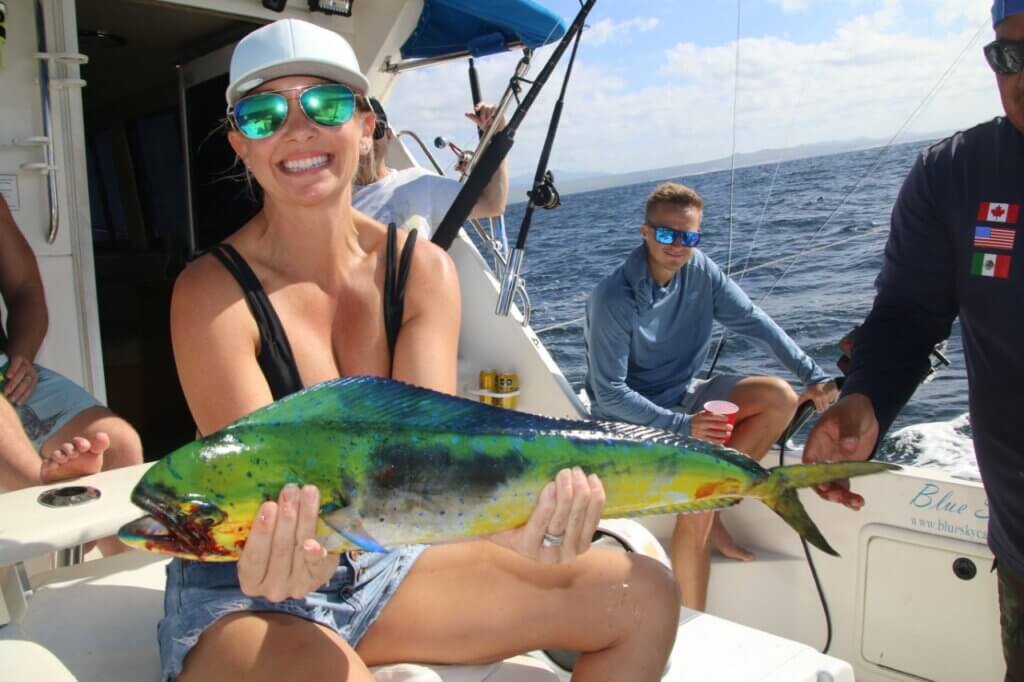
Fishing licenses are only one of several items that can be handled differently from one Cabo fishing charter company to another, which means travelers should compare complete packages rather than simply choosing the lowest advertised boat rate. Some charter operators may arrange permits during the booking process, while others may charge them separately, and similar differences can apply to live bait, tackle, food, beverages, taxes, transportation, fish processing, photography, and other services.
A lower advertised price can therefore become more expensive once necessary extras are added, while a slightly higher charter rate may represent better overall value if it includes services that another operator charges separately. Asking detailed questions before paying a deposit allows travelers to understand the real cost of the trip and also provides useful insight into how transparent and organized the charter company is.
Useful questions include whether fishing licenses are included, how bait is handled, what tackle is provided, whether taxes are already incorporated, whether marina fees apply, what food and beverages are supplied, and whether transportation or fish-processing arrangements are available.
How Families Should Handle Fishing License Questions for Children Joining a Cabo Fishing Charter
Families planning a Cabo fishing charter with children should provide the ages of younger guests during the booking process and ask the operator to confirm the applicable permit requirements, because it is better to rely on current Mexican rules than to assume the age exemptions used in another country apply automatically in Baja California Sur. Regulations can change, and a family’s definition of who is “just coming along” may also differ from whether that child intends to hold a rod, fight a fish, reel in a catch, or otherwise participate directly in recreational fishing.
Parents should tell the charter company how many guests will be aboard, which family members intend to fish, the ages of younger participants, how many charter days are planned, and the exact fishing dates. With that information available in advance, the operator can explain the appropriate permit arrangements and prevent unnecessary questions at the marina early in the morning.
This preparation becomes especially valuable when a family has several children, grandparents, or non-fishing companions aboard the same vessel, because the group can be organized properly before the crew begins preparing to leave.
How Cabo Fishing Charter Licensing Applies to Passengers Who Only Want to Ride Along and Watch
Some fishing groups include passengers who want to enjoy the boat ride, photograph family members, watch whales during the appropriate season, or spend time offshore without actually participating in the fishing, which can raise questions about whether every person aboard needs the same recreational permit. Rather than making assumptions, guests should identify who intends to fish and explain the passenger situation clearly to the charter company before departure so that the current requirements can be applied correctly.
If someone plans to pick up a rod, fight a fish, work bait, or participate directly in the fishing activity, that person should be identified as an angler during the licensing discussion. If another guest genuinely intends only to accompany the group, the operator can explain how that passenger should be handled under the applicable rules.
The safest approach is transparency, because resolving the question during the booking process is far easier than debating someone’s status after a fish has already been hooked offshore.
Why an Angler’s Cabo Fishing Charter License Is Different From the Documentation Required for the Boat and Charter Business
An individual recreational fishing permit and a charter vessel’s operational documentation serve completely different purposes, which means anglers should not assume that one replaces the other. The recreational license applies to the person’s participation in fishing, while the boat and charter operator remain responsible for their own regulatory, commercial, and maritime requirements.
A fully documented charter boat therefore does not automatically eliminate an angler’s individual fishing-license obligation, and an individual permit does not give someone the authority to operate a commercial fishing charter. This distinction is another reason experienced travelers prefer established Cabo fishing charter companies that can explain administrative details clearly and allow guests to focus on the recreational experience rather than becoming experts in Mexican fisheries or maritime law.
Professionalism in licensing often reflects broader professionalism in areas such as safety equipment, tackle maintenance, crew organization, bait preparation, scheduling, catch handling, and communication.
How Cabo Fishing Charter Licenses Fit Into the Larger Goal of Protecting a World-Class Recreational Fishery
Fishing permits are only one component of the larger management system that helps protect Mexico’s recreational fishing resources, because sustainable fishing depends on the combined effect of licensing, catch limits, species protections, seasonal closures, legal fishing methods, protected areas, and responsible angler behavior. Cabo San Lucas benefits enormously from this system because healthy marine populations support an entire tourism economy built around the possibility of catching exceptional game fish.
The value extends far beyond the boat that catches the fish, because recreational fishing supports captains, mates, dock workers, bait suppliers, marinas, hotels, restaurants, transportation companies, tackle stores, mechanics, photographers, fish processors, and many other local businesses. When anglers follow regulations and make responsible decisions about what they retain and release, they contribute directly to the long-term quality of the resource that brought them to southern Baja.
This is especially significant for species such as marlin and roosterfish, which can generate tremendous recreational value when released in healthy condition and encountered again in the future.
Cabo Fishing Charter License and Regulation Planning Matrix for Visiting Anglers
The following matrix separates the role of the fishing license from other rules that continue to matter after the permit has been obtained.
| Planning Question | Fishing License Handles This | Separate Rule or Requirement Still Applies |
| Permission to participate in boat fishing | ★★★★★ | ★★☆☆☆ |
| Daily catch limits | ★☆☆☆☆ | ★★★★★ |
| Species restrictions | ★☆☆☆☆ | ★★★★★ |
| Seasonal closures | ★☆☆☆☆ | ★★★★★ |
| Protected fishing zones | ★☆☆☆☆ | ★★★★★ |
| Legal fishing methods | ★☆☆☆☆ | ★★★★★ |
| Charter vessel documentation | ★☆☆☆☆ | ★★★★★ |
| Catch-and-release best practices | ★☆☆☆☆ | ★★★★★ |
The matrix illustrates the most important regulatory principle for visitors, because the fishing license authorizes participation while the remaining rules determine how that fishing must be conducted responsibly and legally.
What Anglers Should Confirm Before Their Cabo San Lucas Fishing Charter Leaves the Marina
A properly organized charter morning should feel simple because the important administrative questions have already been answered before guests arrive at the boat. The licenses should be confirmed, the charter duration should be known, the meeting location should be clear, bait and tackle arrangements should already be established, and everyone should understand what time the boat plans to leave.
Before the fishing date, guests should confirm the number of anglers, number of passengers, permit arrangements, departure time, marina meeting location, charter length, bait policy, tackle availability, food and beverages, fishing targets, and any additional services connected with the trip. Once those details are complete, the crew can focus immediately on current conditions and the day’s strategy rather than using valuable fishing time to resolve questions that could have been handled earlier.
After leaving the Cabo San Lucas Marina and passing El Arco and Land’s End, attention can shift toward reading the water, watching birds, locating bait, following porpoise, finding temperature breaks, identifying floating debris, and searching for the offshore signs that can lead to marlin, tuna, dorado, wahoo, or other game fish.
Why Following Cabo Fishing Charter License Rules Helps Preserve One of Mexico’s Most Valuable Sport-Fishing Destinations
Cabo San Lucas remains one of Mexico’s best-known recreational fishing destinations because relatively accessible waters can produce an exceptional variety of species across different seasons, including striped marlin during cooler periods, blue and black marlin during warmer conditions, yellowfin tuna around productive offshore water, dorado along current lines, wahoo during favorable seasonal windows, and roosterfish close to the Baja coastline.
Maintaining this reputation requires more than good luck and productive currents, because healthy fishing depends on responsible participation by anglers, captains, charter companies, regulators, and the broader tourism community. Obtaining the appropriate permit represents one small but meaningful part of that responsibility, while following catch limits, respecting protected species, releasing marlin properly, avoiding restricted areas, and harvesting edible fish responsibly all contribute to preserving the quality of the fishery.
For anglers, these practices do not reduce the experience, because they help ensure that extraordinary encounters remain possible for future visitors who come to Cabo hoping to hear a reel scream for the first time.
The Complete Cabo Fishing Charter Answer to Whether You Need a Fishing License in Cabo San Lucas
If you intend to actively fish from a boat in Cabo San Lucas, the practical answer is that you should have the appropriate Mexican recreational sport-fishing permit arranged before the fishing begins, while visitors who fish directly from shore are generally treated differently under Mexico’s federal recreational permit rules. That distinction makes the licensing framework relatively easy to understand once anglers separate boat fishing from shore fishing, although catch limits, species regulations, protected areas, seasonal closures, and legal fishing methods continue to apply regardless of the licensing question.
For most visitors, the process should remain straightforward because the charter company can explain how permits are handled, who in the group needs one, what validity period makes sense, and what information is required before departure. The important objective is to complete the paperwork before everyone arrives at the marina so that the fishing day can begin on schedule and the captain can focus immediately on current conditions.
Once the boat clears the marina and moves beyond Land’s End, the license should become the least interesting part of the day because the real excitement comes from searching productive Pacific and Sea of Cortez waters for striped marlin, blue marlin, yellowfin tuna, dorado, wahoo, roosterfish, and the many other species that have made Cabo San Lucas famous among sport-fishing travelers.
A well-prepared angler can therefore approach the trip with confidence, knowing that the necessary administrative details have already been addressed and that the only remaining uncertainty is the one every fisherman actually wants, which is whether the next bait, lure, current edge, porpoise school, offshore bank, or surface fin will produce the fish that defines the entire vacation
