







For anglers visiting Cabo San Lucas for the first time, one of the biggest surprises often has nothing to do with the size of the fish, the beauty of the water, or the incredible variety of species available offshore. Instead, many visitors are surprised by how strongly the local fishing community embraces conservation and responsible angling practices. After hearing captains discuss fish handling techniques, watching marlin swim away after successful releases, or reading local fishing reports, many travelers naturally begin asking Is Catch-and-Release Practiced in Cabo?
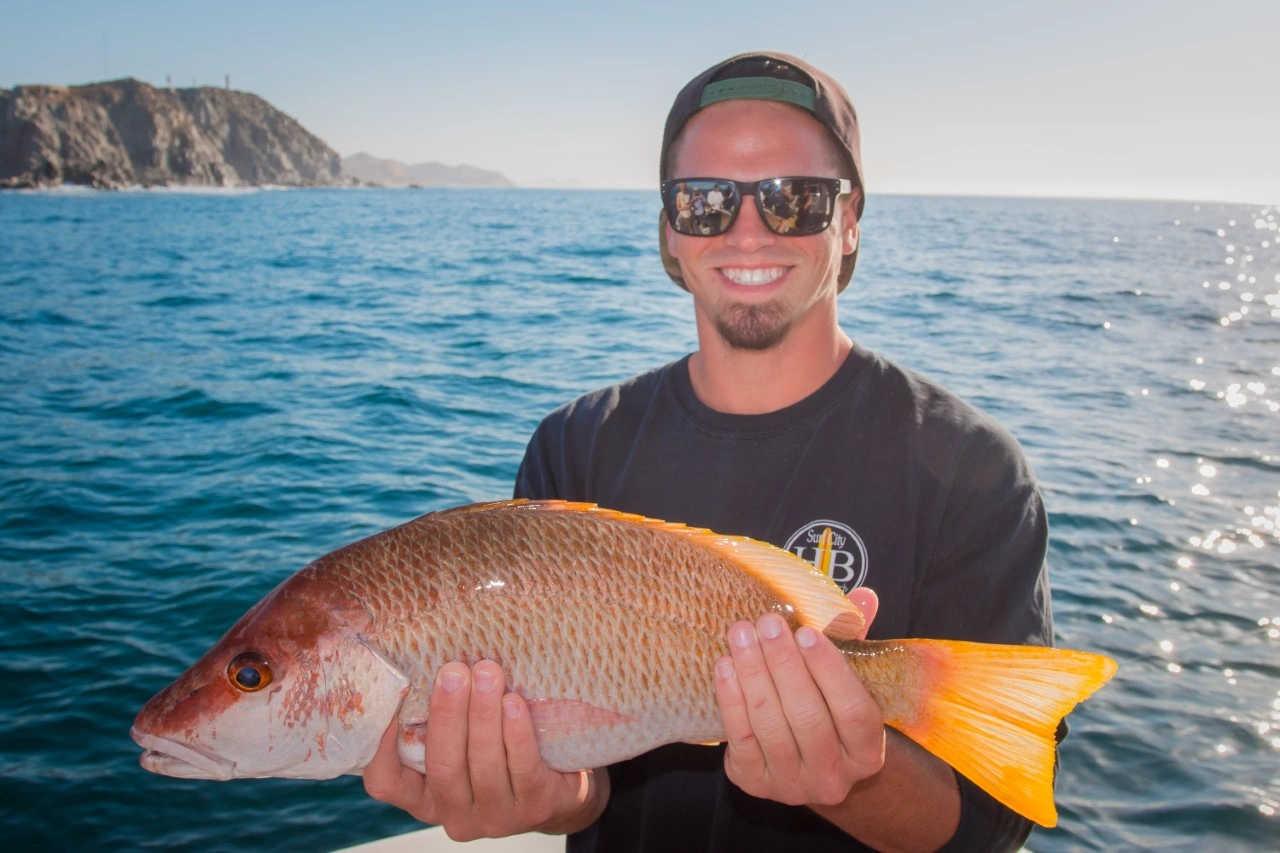
The answer is a resounding yes, and in many ways catch-and-release has become one of the foundations upon which Cabo’s international fishing reputation has been built. While anglers are certainly able to retain certain edible species such as tuna, dorado, wahoo, snapper, and grouper within applicable regulations, many of the species that made Cabo famous are routinely released after capture.
Understanding Is Catch-and-Release Practiced in Cabo? requires appreciating the unique role that sportfishing plays within the local economy. Every year, thousands of anglers travel from around the world hoping to battle striped marlin, blue marlin, black marlin, sailfish, roosterfish, and other highly prized gamefish. These visitors support charter boats, hotels, restaurants, transportation providers, fish processors, marinas, and countless other local businesses.
Because these fish create tremendous long-term value as recreational resources, the local fishing culture has increasingly embraced practices designed to help maintain healthy populations for future generations. Modern anglers often derive just as much satisfaction from watching a healthy fish swim away as they do from bringing a fish aboard the vessel.
This perspective has helped transform Cabo into one of the most respected sportfishing destinations on the planet.
Why Catch-and-Release Became Important in Cabo Fishing
When discussing Is Catch-and-Release Practiced in Cabo?, it is impossible to ignore the role conservation has played in protecting some of the region’s most iconic species.
Decades ago, fishing success was often measured primarily by the number of fish brought back to the dock. Modern sportfishing has evolved significantly since then. Anglers, captains, marine biologists, and fishery managers now recognize that sustainable fishing practices help ensure exceptional fishing opportunities remain available well into the future.
This realization proved particularly important for species such as marlin because these fish attract anglers from around the world while providing tremendous economic value throughout their lives. A striped marlin released today may provide excitement for multiple anglers over many years. That same fish contributes repeatedly to the local economy while continuing to reproduce and support healthy populations.
As this understanding spread throughout the fishing community, catch-and-release became increasingly common.
Today, many anglers consider successful releases among the most rewarding moments in sportfishing.
Is Catch-and-Release Practiced in Cabo for Striped Marlin ?
No species is more closely associated with the answer to Is Catch-and-Release Practiced in Cabo? than the striped marlin because Cabo is widely regarded as one of the world’s premier destinations for targeting these magnificent fish.
Striped marlin can be found in Cabo waters throughout much of the year, with certain seasons producing extraordinary numbers. During productive periods, anglers may encounter multiple marlin in a single day, creating opportunities that are difficult to match elsewhere in the world.
Because striped marlin occupy such an important place within the fishery, catch-and-release has become the standard practice among many charter operations. Captains and mates take considerable pride in healthy releases because they understand the importance of protecting the resource while maintaining Cabo’s reputation as a world-class destination.
Visitors often arrive expecting to focus entirely on catching marlin and leave talking just as enthusiastically about watching them swim away.
The release becomes part of the accomplishment.
The fish survives.
The memory remains.
How Blue and Black Marlin Support Catch-and-Release Fishing in Cabo
While striped marlin dominate many discussions surrounding Is Catch-and-Release Practiced in Cabo?, blue marlin and black marlin also play important roles within Cabo’s offshore ecosystem.
These larger billfish attract anglers seeking truly memorable battles because mature blue and black marlin possess extraordinary strength, size, and endurance. Successfully fighting one of these fish often becomes a defining moment in an angler’s fishing career.
Because these species are highly valued as sportfish, responsible release practices are widely encouraged whenever circumstances permit. Experienced crews understand proper handling techniques designed to minimize stress while maximizing survival rates after release.
Many anglers find tremendous satisfaction in knowing that a fish capable of reaching several hundred pounds has been returned to the ocean in healthy condition.
That sense of stewardship has become increasingly important throughout modern sportfishing.
Why Roosterfish Are Commonly Released in Cabo Waters
Another excellent example supporting Is Catch-and-Release Practiced in Cabo? involves roosterfish because these iconic inshore predators are widely admired for their fighting ability and distinctive appearance.
Roosterfish are among the most recognizable species found along the Baja coastline thanks to their dramatic dorsal fins and aggressive feeding behavior. They are highly sought after by light-tackle anglers because they provide thrilling battles in relatively shallow water.
Unlike species commonly harvested for food, roosterfish are often targeted primarily for sport. As a result, catch-and-release practices have become deeply ingrained within roosterfish fishing culture throughout Cabo and surrounding regions.
Many anglers specifically pursue roosterfish knowing in advance that the fish will be released after capture.
The objective is the experience itself rather than harvest.
This philosophy aligns perfectly with modern catch-and-release principles.
Is Catch-and-Release Practiced in Cabo During Fishing Tournaments ?
One area where visitors frequently ask Is Catch-and-Release Practiced in Cabo? involves competitive fishing because Cabo hosts some of the most respected fishing tournaments in the world.
Modern tournament formats increasingly incorporate conservation-minded rules that reward successful releases. Rather than focusing exclusively on harvested fish, many events recognize the value of releasing billfish while still maintaining competitive excitement.
This approach allows tournaments to celebrate fishing achievement while simultaneously supporting long-term fishery health. Participants enjoy the challenge, spectators enjoy the competition, and fish populations benefit from responsible practices.
The growing popularity of release-oriented tournament formats demonstrates how strongly conservation has become integrated into the culture of Cabo sportfishing.
How Cabo San Lucas Fishing Helps Anglers Understand Catch-and-Release Practices
Because conservation remains an important part of modern sportfishing, Cabo San Lucas Fishing regularly follows:
- Marlin fishing reports
- Billfish releases
- Roosterfish activity
- Tuna fishing reports
- Fishing regulations
- Seasonal fishing trends
- Cabo conservation practices
These resources help anglers understand how responsible fishing practices contribute to the long-term success of the fishery.
Why Modern Cabo Anglers View Catch-and-Release as Part of the Fishing Experience
One of the biggest reasons the question Is Catch-and-Release Practiced in Cabo? receives such a strong affirmative answer is because modern anglers increasingly view conservation as an integral part of the overall fishing experience rather than as a separate concept that exists alongside it. Throughout Cabo San Lucas, visitors arrive hoping to experience the excitement of a striped marlin charging through a bait spread, a blue marlin exploding on a teaser, or a powerful roosterfish racing across shallow coastal waters, yet many of those same anglers fully expect the fish to be released once the encounter has been documented and the fish has been handled properly.
This shift in perspective has developed gradually over many years as anglers, captains, marine biologists, and tourism operators recognized that the long-term success of Cabo’s fishery depends heavily upon maintaining healthy populations of the species that attract visitors from around the world. Every marlin released today may continue growing, reproducing, and creating fishing opportunities for future anglers. Every healthy roosterfish returned to the water remains part of the ecosystem that makes Baja’s inshore fishery so unique. The result is a culture where successful releases are often celebrated with the same enthusiasm that previous generations reserved for harvested fish.
Visitors frequently discover that watching a healthy fish swim away after a memorable battle creates a feeling of accomplishment that extends beyond traditional notions of success because the experience becomes about participation in something larger than a single fishing trip.
How Professional Cabo Crews Support Catch-and-Release Fishing Practices
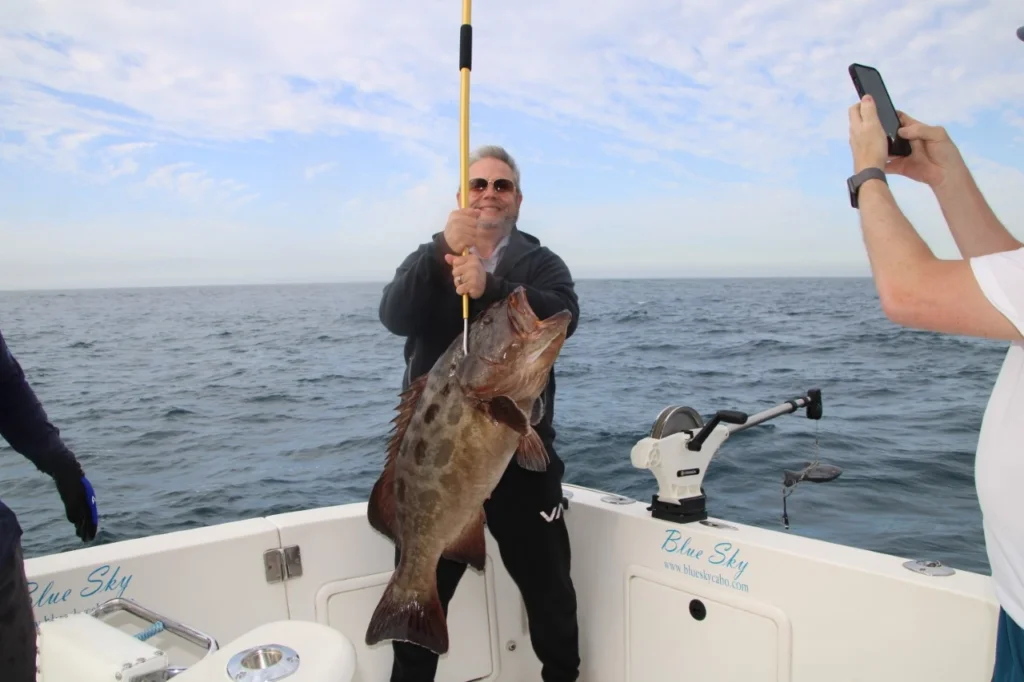
When discussing Is Catch-and-Release Practiced in Cabo?, it is impossible to ignore the role professional captains and mates play because these individuals spend more time interacting with fish than virtually anyone else within the recreational fishing industry. Their experience has taught them that proper fish handling techniques can make a tremendous difference in the likelihood that a released fish survives and remains healthy after the encounter.
Modern crews work efficiently whenever a fish is intended for release. Billfish are often photographed while remaining in the water alongside the vessel. Excessive handling is avoided whenever possible. Fights are managed in a way that balances angler enjoyment with the goal of minimizing unnecessary exhaustion. Every step is designed to maximize the fish’s chances of swimming away strongly.
Visitors often notice the professionalism involved because the process appears remarkably organized. Crews communicate clearly, prepare cameras quickly, position fish carefully, and focus on minimizing delays. These techniques have become standard among experienced operators because they recognize that responsible handling protects the resource while preserving the quality of the experience.
The combination of skill, efficiency, and respect displayed during successful releases often leaves a lasting impression on first-time visitors.
Is Catch-and-Release Practiced in Cabo Because of the Economic Value of Marlin ?
One factor that receives considerable attention whenever people ask Is Catch-and-Release Practiced in Cabo? involves the economic importance of species such as striped marlin, blue marlin, and black marlin because these fish contribute enormous value to the local economy throughout their lives.
A marlin released today may be encountered multiple times during its lifetime. That same fish may attract visiting anglers, support charter bookings, generate hotel stays, fill restaurant seats, create transportation demand, and contribute to countless economic activities associated with tourism. From a long-term perspective, a healthy marlin population represents one of Cabo’s most valuable natural resources.
This reality has helped strengthen support for catch-and-release practices because protecting the resource ultimately benefits everyone involved. Charter operators depend upon healthy fisheries. Hotels depend upon visiting anglers. Restaurants benefit from tourism activity. Local employees throughout the tourism sector depend upon a thriving fishing industry.
The connection between conservation and economic sustainability has become increasingly clear over the years, which helps explain why catch-and-release enjoys such widespread support throughout the region.
Why Many Experienced Anglers Prefer Releasing Trophy Fish in Cabo
Another reason the answer to Is Catch-and-Release Practiced in Cabo? remains overwhelmingly positive is because many experienced fishermen actively prefer releasing trophy fish. While newcomers sometimes assume that larger fish are automatically retained, seasoned anglers often view the situation very differently because they understand the importance of preserving mature breeding fish within the population.
Large marlin represent years of growth and survival. Mature roosterfish have successfully navigated countless challenges throughout their lives. Trophy gamefish occupy an important role within the ecosystem and contribute significantly to future generations through reproduction.
Many anglers therefore derive satisfaction from catching, photographing, and releasing exceptional fish because they know those animals may continue contributing to the fishery long after the encounter has ended. The experience becomes less about possession and more about participation. The accomplishment remains exactly the same because the challenge, excitement, and memories are preserved regardless of whether the fish ultimately remains aboard the vessel.
This perspective has become increasingly common among serious sportfishermen throughout the world and is particularly evident within Cabo’s fishing community.
How Catch-and-Release Helps Preserve Year-Round Fishing Opportunities in Cabo
The remarkable diversity of Cabo’s fishery is one of the strongest pieces of evidence supporting the question Is Catch-and-Release Practiced in Cabo? because healthy populations of highly sought-after gamefish continue attracting anglers throughout every season of the year.
Winter brings exceptional striped marlin opportunities and productive inshore fisheries. Spring introduces changing migration patterns and active roosterfish fishing. Summer creates opportunities involving blue marlin, yellowfin tuna, and numerous offshore species. Fall delivers some of the most exciting fishing conditions found anywhere in the world as multiple pelagic species become highly active simultaneously.
Maintaining this level of year-round opportunity requires responsible stewardship because fishing pressure remains substantial throughout the calendar. Catch-and-release contributes directly to that objective by helping ensure that valuable gamefish remain part of the ecosystem rather than being removed unnecessarily.
Visitors often appreciate this concept because they realize that the fishery they are enjoying today exists largely because previous anglers embraced many of the same conservation principles.
The cycle continues as each generation contributes to protecting the resource for those who follow.
The Real Answer to Is Catch-and-Release Practiced in Cabo ?
After examining marlin conservation, professional fish handling techniques, economic sustainability, trophy fish management, year-round fishing opportunities, and the evolution of modern sportfishing culture, the answer becomes exceptionally clear. Is Catch-and-Release Practiced in Cabo? Yes, catch-and-release is deeply embedded within the culture of Cabo sportfishing and is widely practiced for many of the species that helped establish the destination’s international reputation. Marlin, roosterfish, sailfish, and numerous other gamefish are routinely released by anglers and crews who recognize the value of protecting these extraordinary resources while still enjoying world-class fishing experiences.
The success of Cabo’s fishery demonstrates that conservation and exceptional fishing are not opposing ideas but rather complementary goals that work together to create a sustainable future. By embracing responsible catch-and-release practices, anglers help ensure that future generations will continue experiencing the same excitement, beauty, and adventure that have made Cabo San Lucas one of the most celebrated sportfishing destinations in the world.