







One of the most common questions asked by anglers planning a fishing trip to Baja California Sur is surprisingly simple: Is Fishing Better in the Morning or Afternoon in Cabo? The answer often sparks debate because both time periods offer unique advantages, and the best choice depends on the species being targeted, the time of year, current weather conditions, water temperatures, bait activity, moon phase, and the goals of the anglers on board.
Many first-time visitors assume that fishing always follows a strict rule where mornings are productive and afternoons are not. While there is certainly some truth behind the popularity of morning departures, Cabo’s unique geography and diverse fishery create situations where afternoon trips can be surprisingly productive. Understanding the strengths and weaknesses of each time period is the key to maximizing success on the water.
Cabo San Lucas enjoys a rare advantage compared to many sportfishing destinations around the world. Deep water begins very close to shore, allowing boats to reach productive offshore grounds relatively quickly. This means anglers can spend more time fishing and less time traveling regardless of whether they depart at sunrise or after lunch. Combined with the meeting of the Pacific Ocean and the Sea of Cortez, this creates a dynamic fishery where conditions can change dramatically throughout the day.
When evaluating Is Fishing Better in the Morning or Afternoon in Cabo?, it is important to understand how fish behave throughout a twenty-four-hour cycle and how environmental conditions influence feeding activity.
Why Morning Fishing in Cabo Has Built Such a Strong Reputation
For decades, most serious offshore fishermen have preferred morning departures. The reason is simple. Fish often feed most aggressively during the first few hours of daylight, particularly after spending the night hunting baitfish beneath the surface.
As the sun begins rising over the Sea of Cortez, water temperatures are generally at their coolest point of the day. Baitfish tend to remain concentrated, current lines are easier to identify, and predators are frequently more active.
This period often produces exceptional opportunities for:
- Striped marlin
- Dorado
- Yellowfin tuna
- Wahoo
- Roosterfish
- Snapper
The first several hours of daylight frequently coincide with feeding windows that many captains consider the most productive of the day.
One reason morning trips are especially popular is that conditions are often calmer. Winds typically build as the day progresses, particularly during certain seasons. By departing early, crews can take advantage of smoother water, making it easier to locate bird activity, bait concentrations, and feeding fish.
When discussing Is Fishing Better in the Morning or Afternoon in Cabo?, these calmer conditions are often one of the first advantages experienced captains mention.
How Water Temperatures Influence Morning Fishing Success
Temperature plays a major role in determining fish behavior throughout the day. During early morning hours, overnight cooling can create favorable conditions for many species.
Baitfish often remain tightly grouped before the sun reaches its highest point. Predators know this and frequently capitalize on the opportunity. Marlin, tuna, dorado, and wahoo all benefit from concentrated bait because it reduces the energy required to locate food.
As sunlight intensifies throughout the day, baitfish may scatter over larger areas, forcing predators to work harder to feed efficiently.
This does not mean fishing becomes poor during the afternoon. It simply means fish behavior changes. Understanding those changes helps explain why morning trips have traditionally been viewed as the gold standard among serious anglers.
The strongest morning bites often occur between sunrise and approximately 10:00 a.m., although exact timing varies depending on species, season, and weather conditions.
Why Marlin Fishing Often Favors Morning Departures
Marlin remain the species most closely associated with Cabo’s international fishing reputation. Anglers travel from around the world hoping to experience the excitement of seeing a striped marlin light up behind a teaser or watching a blue marlin crash a lure in spectacular fashion.
Morning hours frequently provide excellent marlin opportunities because bait concentrations tend to be easier to locate. Frigate birds, current edges, and feeding zones become more visible under calmer conditions.
Striped marlin are particularly active during many morning periods. Their feeding behavior often aligns with the movement of baitfish, creating opportunities shortly after sunrise.
Blue marlin can certainly be caught later in the day, especially during warmer months, but many experienced captains still prefer beginning the search early because it maximizes the amount of productive water they can cover before afternoon winds increase.
For anglers specifically targeting marlin, the answer to Is Fishing Better in the Morning or Afternoon in Cabo? often leans toward morning.
Why Tuna Fishing Can Be Excellent During Early Hours
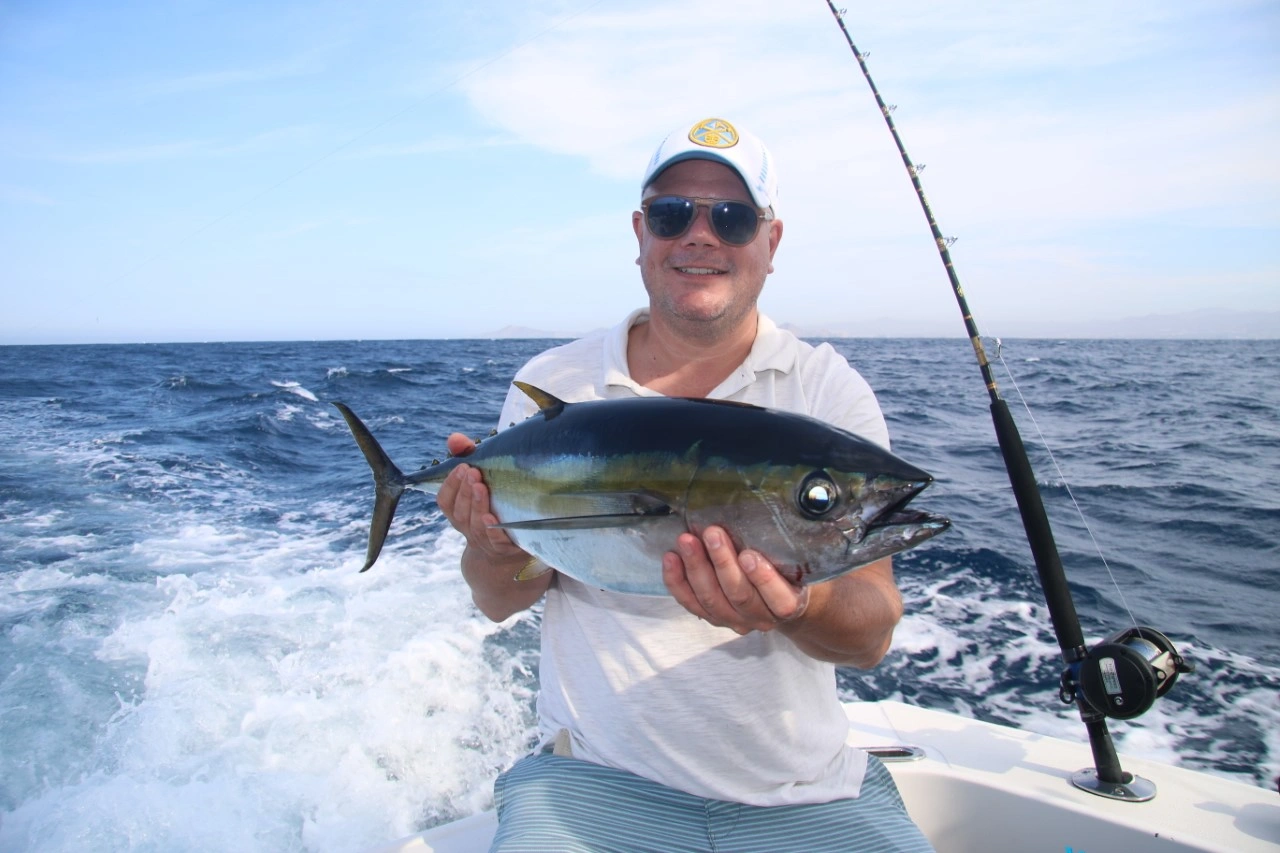
Yellowfin tuna are another species that frequently reward anglers who start early. Large schools often feed aggressively during morning hours, particularly when associated with porpoise, bird activity, or bait concentrations.
One of the most exciting sights in offshore fishing is finding tuna feeding near the surface shortly after sunrise. Birds dive repeatedly, flying fish scatter, and yellowfin slash through bait schools with incredible speed.
Morning conditions often make these signs easier to identify. Calm water allows captains to spot activity from greater distances, increasing the chances of intercepting feeding fish.
The strongest tuna periods of the year frequently occur between late summer and fall, but morning trips remain productive throughout much of the season.
Experienced anglers often prefer sunrise departures because they believe the first few hours offer the highest probability of encountering actively feeding tuna schools.
Why Inshore Fishing Frequently Peaks Before Midday
Many visitors focus exclusively on offshore species, yet Cabo’s inshore fishery is equally impressive. Roosterfish, snapper, grouper, jack crevalle, and various bottom species all contribute to the experience.
Inshore fishing often benefits significantly from early departures because coastal species frequently feed most aggressively before water temperatures rise.
Roosterfish provide a perfect example. These powerful predators often hunt baitfish along beaches and rocky points during morning hours. Once the sun climbs higher and water temperatures increase, their behavior may become less predictable.
Bottom species such as snapper and grouper also tend to feed aggressively during early periods, particularly around reefs and rocky structure.
For anglers interested in food fish, the answer to Is Fishing Better in the Morning or Afternoon in Cabo? is often strongly influenced by the species they hope to target.
Why Afternoon Fishing in Cabo Should Not Be Overlooked
Despite the advantages associated with mornings, dismissing afternoon fishing would be a mistake. Cabo’s fishery remains active throughout the day, and many memorable catches occur after lunch.
One reason afternoon fishing can be productive is reduced pressure. Areas that experienced significant boat traffic during the morning may become quieter later in the day. Fish that were reluctant to feed earlier sometimes become more aggressive as conditions change.
Warm-water species frequently remain active during afternoon periods, particularly during summer and fall.
Afternoon trips can also provide:
- More comfortable wake-up times.
- Beautiful sunset conditions.
- Reduced marina congestion.
- Excellent sightseeing opportunities.
- Productive marlin fishing.
- Opportunities for mixed-species action.
Many visiting families prefer afternoon charters because they combine fishing with sightseeing, wildlife viewing, and relaxation.
How Cabo San Lucas Fishing Helps Anglers Decide Between Morning and Afternoon Trips
Choosing the right departure time often depends on current conditions, seasonal patterns, and target species. This is one reason many anglers use Cabo San Lucas Fishing when planning a trip.
The site provides valuable information regarding seasonal fishing patterns, species availability, weather trends, water conditions, and fishing opportunities throughout the year. By understanding what species are most active during a particular season, anglers can make more informed decisions regarding departure times.
Visitors researching Is Fishing Better in the Morning or Afternoon in Cabo? often discover that the answer changes depending on the species being pursued. Cabo San Lucas Fishing helps anglers understand those differences before arriving.
The ability to align expectations with seasonal conditions often results in a more enjoyable overall experience.
Is Fishing Better in the Morning or Afternoon in Cabo Depends on Your Goals
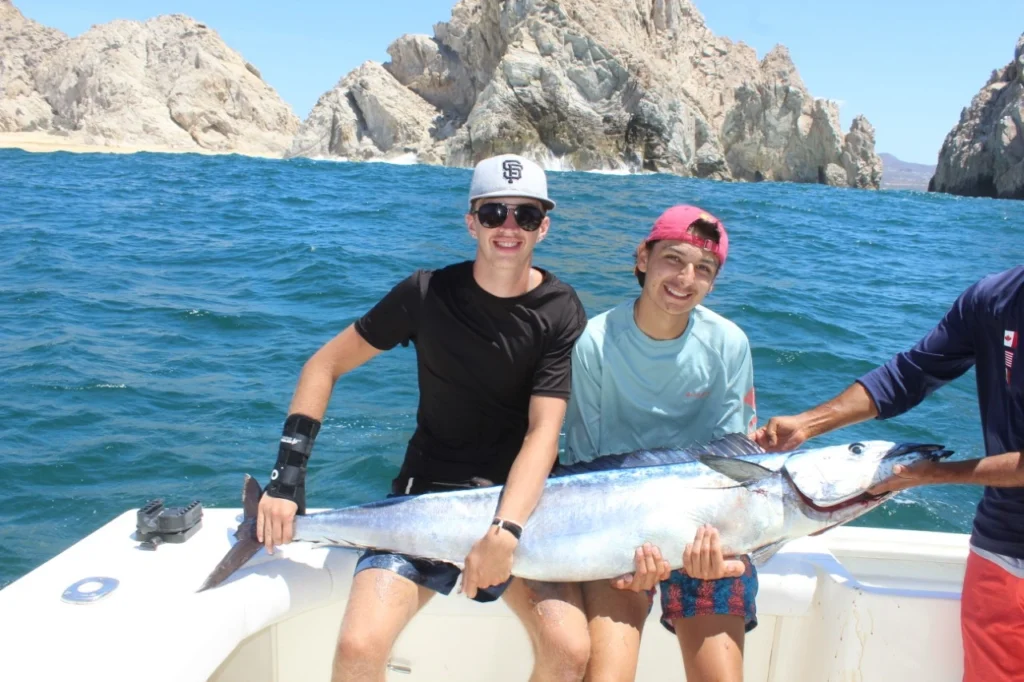
The most honest answer is that both periods can be productive, but they excel for different reasons. Morning trips generally provide calmer conditions, stronger feeding windows, and greater opportunities for species such as marlin, tuna, roosterfish, snapper, and grouper. These advantages explain why sunrise departures remain the preferred choice for many serious anglers.
Afternoon trips offer flexibility, beautiful scenery, and opportunities to target many of the same species under different conditions. During certain seasons, afternoon marlin fishing can be surprisingly productive, and many anglers appreciate the more relaxed pace.
If maximizing fishing success is the primary objective, most experienced captains would recommend the morning. The combination of cooler temperatures, concentrated bait, calmer seas, and active feeding periods simply provides too many advantages to ignore.
However, if the goal includes sightseeing, a relaxed schedule, sunset views, and an enjoyable experience on the water, afternoon fishing remains an excellent option.
Ultimately, when anglers ask Is Fishing Better in the Morning or Afternoon in Cabo?, the answer is that morning generally offers the highest probability of success, but afternoon trips continue producing memorable catches every year and should never be underestimated.
Why Afternoon Marlin Fishing Can Surprise Experienced Anglers
One of the biggest misconceptions surrounding Cabo fishing is the belief that the afternoon bite completely shuts down once the morning feeding window ends. While it is true that many species feed aggressively during the first few hours after sunrise, experienced captains know that afternoon fishing can produce outstanding results under the right conditions.
This is particularly true for marlin. During warmer portions of the year, blue marlin often remain active throughout the day because water temperatures stay within their preferred range. A marlin that ignores a teaser during the morning may become far more aggressive later in the afternoon as bait schools shift position and currents change.
Many visiting anglers are surprised to learn that some memorable marlin catches occur between 1:00 p.m. and sunset. The Pacific side frequently provides excellent afternoon opportunities because bait concentrations continue moving throughout the day, creating fresh feeding situations that did not exist during the morning.
One reason afternoon marlin fishing succeeds is reduced boat pressure. Areas crowded during the morning may become significantly quieter later in the day. Fish that have spent hours avoiding boats sometimes become more willing to feed once traffic decreases.
This reality complicates the answer to Is Fishing Better in the Morning or Afternoon in Cabo? because while mornings generally provide higher overall consistency, afternoons can occasionally produce spectacular marlin action.
How Wind Patterns Influence Morning and Afternoon Success
Wind is one of the most important factors influencing daily fishing conditions in Cabo. During many periods of the year, mornings begin relatively calm before afternoon breezes gradually develop.
Calm water provides several advantages. Bird activity becomes easier to identify. Bait schools are more visible. Surface-feeding fish create clearer signs. Boats can travel comfortably across offshore areas while searching for productive conditions.
As afternoon winds increase, locating subtle signs becomes more challenging. However, wind does not automatically mean poor fishing. In some situations, increased water movement actually stimulates feeding activity by concentrating bait along current edges and structure.
Experienced captains constantly adapt to these changing conditions. Rather than viewing wind as purely positive or negative, they evaluate how it influences fish behavior on a given day.
During summer, the Sea of Cortez often remains calmer than the Pacific side. During winter, conditions can vary dramatically depending on local weather systems. Understanding these seasonal wind patterns helps explain why different departure times work better during different periods of the year.
Why Dorado Fishing Can Be Excellent During Afternoon Hours
Dorado are among the most aggressive predators in Cabo waters, and their behavior often differs from species such as roosterfish or snapper.
Because dorado thrive in warm water, they frequently remain active throughout the day. Floating debris, current lines, and bait concentrations continue attracting fish even during the hottest afternoon periods.
Many successful dorado trips occur well after lunch because these fish spend much of the day patrolling offshore feeding zones. Their aggressive nature allows them to capitalize on opportunities whenever food becomes available.
When anglers ask Is Fishing Better in the Morning or Afternoon in Cabo?, dorado represent one of the strongest arguments in favor of afternoon fishing. While mornings remain productive, dorado often continue feeding aggressively throughout daylight hours.
Their willingness to attack trolled lures, live bait, and casting presentations makes them one of the most reliable species available during afternoon charters.
Why Tuna Feeding Windows Can Extend Beyond Morning Hours
Yellowfin tuna often receive significant attention during discussions about feeding windows because many schools become active shortly after sunrise. While this pattern certainly exists, it does not tell the entire story.
Tuna behavior depends heavily on bait activity. If prey remains concentrated throughout the day, yellowfin may continue feeding well into the afternoon.
Porpoise-associated tuna schools provide a perfect example. These schools frequently travel large distances while feeding intermittently. A school located at 7:00 a.m. may still be actively feeding at 2:00 p.m. if conditions remain favorable.
Summer and fall often produce the strongest examples of extended tuna activity because warm water supports abundant baitfish populations. During these periods, anglers can experience excellent fishing during both morning and afternoon charters.
This is another reason the answer to Is Fishing Better in the Morning or Afternoon in Cabo? cannot be reduced to a simple yes or no. The species being targeted plays a major role in determining which period offers the greatest advantage.
Seasonal Changes Affect Whether Morning or Afternoon Fishing Is Better
The time of year dramatically influences daily fishing patterns.
During winter, morning trips frequently enjoy a stronger advantage because cooler overnight temperatures help concentrate bait and stimulate feeding activity. Striped marlin, snapper, grouper, and roosterfish often respond favorably to these conditions.
Spring typically maintains many of these characteristics while introducing greater diversity throughout the fishery.
Summer begins shifting the equation. Warm water temperatures support species that remain active throughout much of the day, reducing the gap between morning and afternoon productivity.
Fall often creates the most balanced conditions of the year. Blue marlin, tuna, dorado, and wahoo may remain active during both time periods, allowing anglers greater flexibility when scheduling trips.
Because seasonal conditions vary so dramatically, experienced fishermen rarely answer Is Fishing Better in the Morning or Afternoon in Cabo? without first asking what month the trip will occur.
Why Serious Anglers Usually Prefer Sunrise Departures
Despite all the advantages associated with afternoon fishing, there remains a reason why most experienced offshore anglers continue choosing morning departures whenever possible.
Simply put, fishing time equals opportunity.
A sunrise departure allows anglers to capitalize on the morning feeding window while still remaining on the water during portions of the afternoon. In other words, they gain access to both periods rather than selecting only one.
This extended opportunity often proves valuable when targeting highly migratory species such as marlin and tuna. Fish may not appear immediately. The ability to search productive water throughout the day increases the probability of success.
Tournament fishermen understand this concept extremely well. Nearly every major offshore tournament begins early because competitors want maximum time on the water.
When success is the primary objective, morning departures remain difficult to beat.
Why Families Often Prefer Afternoon Fishing Charters
Not every fishing trip revolves around maximizing catch statistics.
Many visitors prioritize comfort, sightseeing, wildlife viewing, and spending quality time together on the water. For these anglers, afternoon charters offer several appealing advantages.
Sleeping later is often appreciated by families on vacation. Sunset conditions can be spectacular. Whale sightings, dolphins, sea lions, and coastal scenery add value beyond the fishing itself.
Afternoon charters also combine well with other vacation activities. Visitors can spend the morning enjoying breakfast, the beach, or local attractions before heading to the marina.
Because Cabo offers such a diverse marine environment, many families discover that afternoon trips provide exactly the experience they hoped to enjoy.
How Cabo San Lucas Fishing Helps Anglers Choose the Best Departure Time
One reason many visitors use Cabo San Lucas Fishing. is because fishing conditions evolve continuously throughout the year. Species availability changes. Water temperatures fluctuate. Seasonal patterns shift.
Understanding these variables helps anglers decide whether a morning or afternoon trip better suits their goals.
Cabo San Lucas Fishing provides information regarding:
- Seasonal fishing patterns.
- Species availability.
- Water temperatures.
- Offshore conditions.
- Fishing reports.
- Planning recommendations.
Visitors researching Is Fishing Better in the Morning or Afternoon in Cabo? often discover that the best answer depends on their priorities. Someone targeting roosterfish may receive different advice than someone pursuing blue marlin or dorado.
The ability to evaluate current seasonal conditions before arriving often helps anglers make more informed decisions and enjoy more successful trips.
The Final Answer to Is Fishing Better in the Morning or Afternoon in Cabo?
If the objective is maximizing the probability of catching fish, particularly marlin, tuna, snapper, grouper, and roosterfish, most experienced captains would still recommend morning departures. The combination of calmer seas, concentrated bait, cooler water temperatures, and stronger feeding windows provides advantages that are difficult to ignore.
However, afternoon fishing should never be dismissed. Dorado, tuna, blue marlin, sailfish, and other species remain active throughout much of the day, particularly during warmer months. Reduced boat traffic, beautiful conditions, and the possibility of excellent fishing continue making afternoon charters attractive.
Ultimately, the answer to Is Fishing Better in the Morning or Afternoon in Cabo? depends on the season, the target species, current conditions, and the goals of the anglers involved. Morning trips generally provide the highest probability of overall success, but afternoon fishing continues producing outstanding catches every year and remains an excellent option for visitors seeking flexibility, comfort, and memorable experiences on the water.