






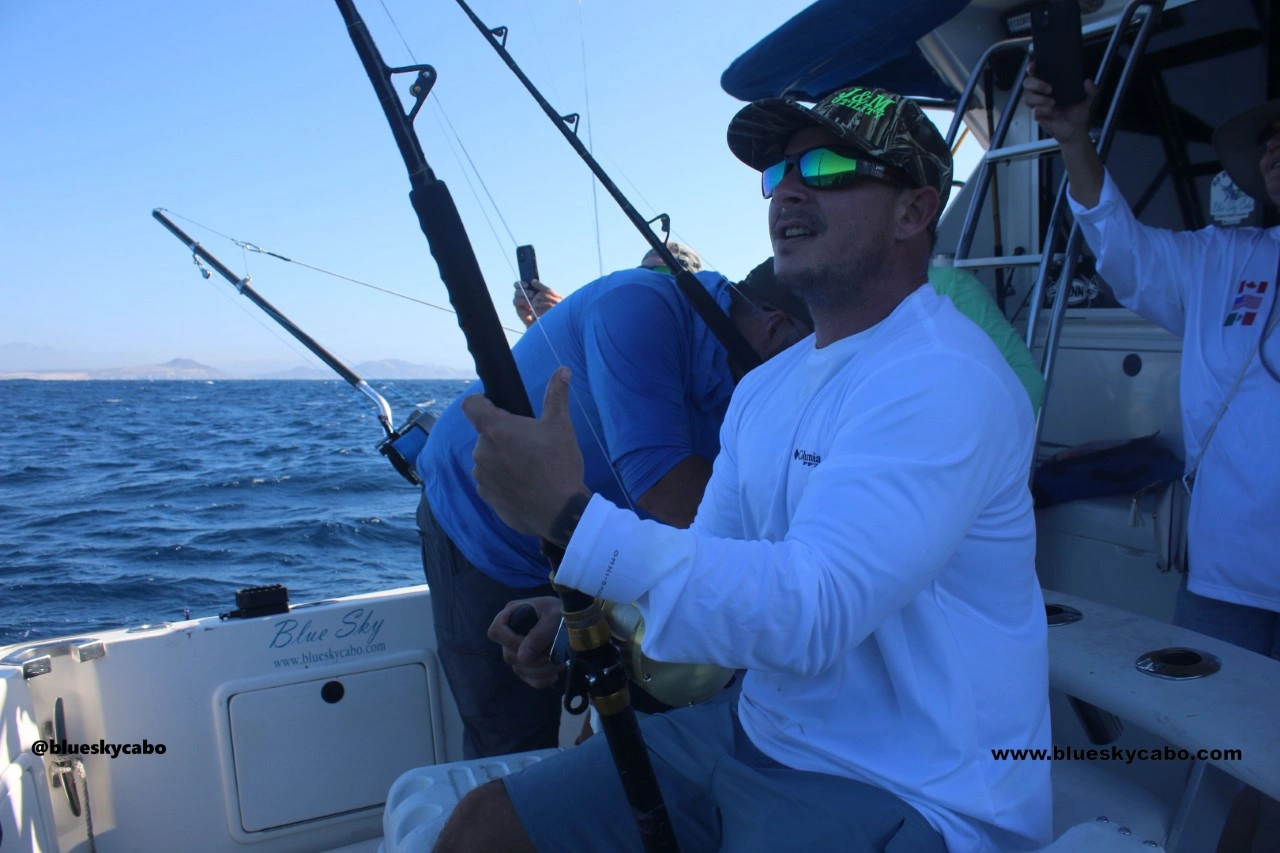
Cabo San Lucas is one of the world’s premier sportfishing destinations, and right now, the bite is shaping up to be exceptional. Whether you’re targeting marlin, tuna, dorado, wahoo, or the variety of bottom species, Cabo offers a rich mix of opportunities for anglers of every level. According to the most recent insights from Cabo San Lucas Fishing, now is the time to plan a charter that takes full advantage of what’s biting.
This report dives into where the fish are, what species are active, and how to catch them, providing a full breakdown to help you make the most of your Cabo fishing trip.
Cabo Fishing Conditions: Why the Bite Is So Good Right Now
Water Temperature and Current Patterns
Cabo’s water temperatures are currently holding in the 78–82°F (25–28°C) range, creating perfect conditions for both pelagic species and bottom dwellers. According to Cabo San Lucas Fishing, these conditions allow baitfish to concentrate along structure and weed lines, which attracts marlin, dorado, and tuna.
Stable currents combined with warm water allow for predictable bite locations. Offshore banks, current edges, and floating debris all concentrate predatory species. Experienced captains report that morning calm seas are ideal for trolling for marlin and tuna, while the later afternoons offer great opportunities for dorado and bottom fishing when the waters are slightly warmer.
Weather Factors That Impact Fishing
Morning Calm: Early mornings are perfect for running offshore and spotting surface activity from marlin and tuna.
Afternoon Winds: Gentle afternoon breezes help create surface agitation that can trigger strikes from dorado and wahoo.
Seasonal Trends: Fall brings a “surge bite” as fish move into concentrated areas before winter. According to Cabo San Lucas Fishing, this year’s pattern is producing excellent action across multiple species.
Cabo Marlin Fishing Report
Striped Marlin Action
Striped marlin are currently active along drop-offs and current seams. These areas are prime zones for trolling and teaser spreads. Local captains recommend using bridled live baits, such as mackerel or caballito, behind your dredge or teaser spread.
Tactics: Heavy trolling rods, circle hooks, and fluorocarbon leaders are essential.
Why Now: The combination of concentrated baitfish and calm mornings is producing consistent hookups.
Catch-and-Release: Marlin should be handled carefully; shorten fight times and revive before release.
Blue Marlin Sightings
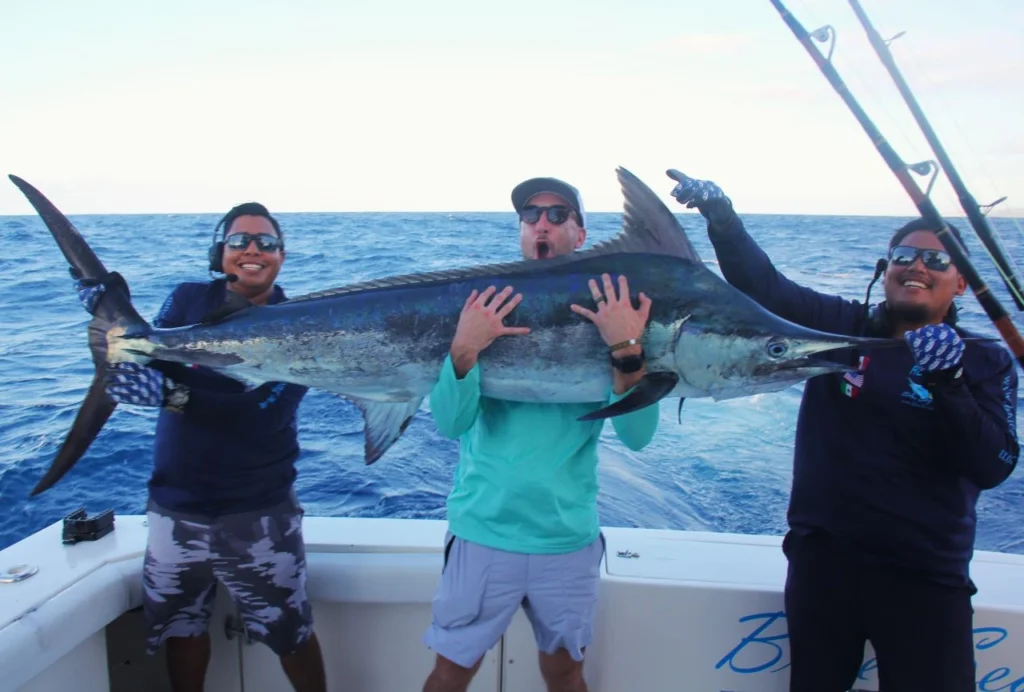
While less common than striped marlin, blue marlin are appearing on deeper offshore structure. According to Cabo San Lucas Fishing, anglers targeting the deeper edges of the banks have reported strikes in the early morning and late afternoon.
Tactics: High-capacity reels, heavy conventional tackle, and trolling with large baits are recommended.
Best Areas: Offshore banks and deep water current edges.
Tips: Use teasers to draw the blue marlin close before presenting the bait.
Cabo Tuna Fishing Report
Yellowfin tuna are schooling around current breaks, floating debris, and offshore structure. They’re aggressive and can be caught with a mix of trolling and live-bait fishing.
Where to Fish: On temperature breaks, near floating debris, and along bait-rich structure.
Gear: Medium-heavy rods, braided lines, fluorocarbon leaders, and live bait like sardines or mackerel.
Techniques: Trolling plugs under birds, chumming, or drift-fishing live bait.
Why Tuna Are Active: Cooler edges of the current concentrate baitfish, creating predictable feeding patterns.
Cabo Dorado (Mahi-Mahi) Fishing Report
Dorado are showing up around floating debris, sargassum mats, and weed lines. These fish are fast, aggressive, and highly visual, making them a favorite for both sport and table fare.
Tactics: Troll skirted lures, ballyhoo, or drift along floating weeds.
Gear: Light- to medium-heavy rods with fast-action tips.
Why They’re Biting: Predatory dorado use these floating cover areas to ambush baitfish.
Best Times: Late morning to early afternoon when water visibility is high and surface activity is visible.
Cabo Wahoo Fishing Report
Wahoo are appearing near offshore structure and current seams, often in the same areas as tuna and dorado. These explosive fighters require fast trolling techniques.
Tactics: High-speed trolling with small to medium plugs, jets, or skirted lures.
Gear: Heavy fluorocarbon or wire leaders to withstand sharp teeth.
Why Now: Cooler currents concentrate prey along seams, creating ambush zones.
Cabo Bottom Fishing Report
The bottom species bite is strong along reefs, rocky points, and submerged ledges. Anglers report excellent action on snapper, grouper, cabrilla, and roosterfish.
Tactics: Medium-heavy rods, live or cut bait (squid, sardines, mackerel), and fishing near the bottom.
Catch-and-Release: Circle hooks help ensure survival of released fish.
Why It’s Biting: With concentrated bait and lower fishing pressure, bottom feeders are active and easier to target.
Where to Find the Best Bites in Cabo
Offshore Banks: Ideal for marlin, tuna, and wahoo. Current edges concentrate prey and predators.
Sargassum Lines & Floating Debris: Dorado and tuna aggregate here, often with surface activity marked by birds.
Inshore Reefs & Rocks: Snapper, grouper, and roosterfish are consistent near structure.
Temperature Breaks: Marlin and tuna follow these edges, especially early in the morning.
Tips for Maximizing Your Cabo Fishing Experience
1. Book a Full-Day Charter: More time on the water increases opportunities to target multiple species.
2. Bring Versatile Gear: Have trolling rods, live-bait setups, and bottom rigs ready.
3. Use Live Bait: Live sardines, mackerel, or caballito maximize hookup rates for marlin and tuna.
4. Work With Local Experts: Experienced captains know where the bite is each day and adjust tactics accordingly.
5. Practice Sustainable Fishing: Catch-and-release for billfish is strongly recommended. Circle hooks and shortened fight times reduce stress on fish.
Why Cabo Is a Mixed-Species Paradise Right Now
Thermocline Stability: Predictable structure zones make fishing more effective.
Lower Fishing Pressure: Gives charters flexibility to move freely and access hotspots.
Bait Consolidation: Predatory species concentrate around floating weeds, debris, and current seams.
Sustainable Practices: High release rates for marlin and other species ensure a healthy fishery.
Real Angler Feedback
Clients booking through Cabo San Lucas Fishing have reported:
- Multiple hookups with striped marlin in the early morning.
- Yellowfin tuna hitting trolling lines near floating debris.
- Dorado schooling along weed lines, providing non-stop action.
- Bottom species like snapper and grouper producing strong catches close to shore.
Risks and Considerations
Afternoon Winds: Moderate winds may affect trolling; morning departures are best for billfish.
Floating Debris Navigation: Weed lines produce bites but require careful maneuvering.
Species Overload: Focus on your target to maximize success.
Conservation: Responsible catch-and-release ensures the fishery remains healthy for years to come.
Closing Thoughts
What’s biting in Cabo right now is a remarkable mix of marlin, tuna, dorado, wahoo, and bottom species. With proper planning, the right gear, and an experienced local crew, anglers can experience a day packed with action. Booking through Cabo San Lucas Fishing ensures you have the insider knowledge, equipment, and guidance to make every trip a success.
Contact Cabo San Lucas Fishing
Website: www.cabosanlucasfishing.com
Email: info@cabosanlucasfishing.com
Phone: +1.780.919.6595
Ready to book your private Cabo charter and catch what’s biting right now? Call or email today — our team at Cabo San Lucas Fishing will get you on the fish and make sure your trip is perfectly tailored for the current bite.

