






There’s a moment after a successful hookup in Cabo when the energy shifts. The fish is alongside the boat, the crew is focused, and someone asks the question—are we keeping this one, or letting it go? It’s a decision that feels simple in the moment, but it reflects a much bigger part of the fishing culture in Cabo. Understanding Cabo keep fish or catch and release isn’t just about preference—it’s about species, sustainability, and the way the fishery is managed.
Cabo San Lucas is known for both incredible sportfishing and strong conservation practices. Some species are almost always released, while others are commonly kept for eating. The balance between the two is what keeps the fishery thriving. When you understand Cabo keep fish or catch and release, you start to see how these choices shape the experience and the future of fishing in Cabo.
Why Cabo keep fish or catch and release decisions depend on species, conservation practices, and long-term fishery sustainability
Not all fish are treated the same.
In Cabo, billfish such as marlin are typically released. These fish are highly valued for sport, and releasing them helps maintain strong populations.
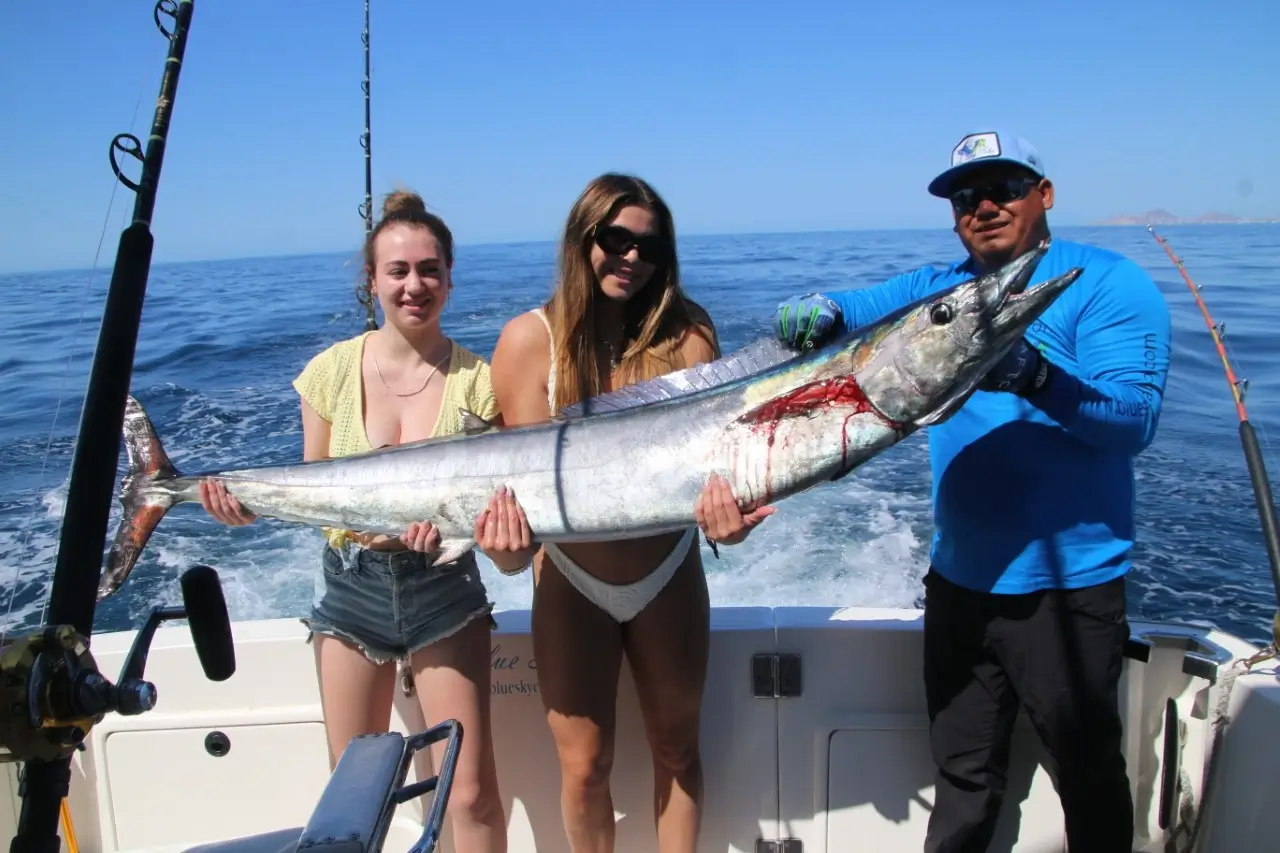
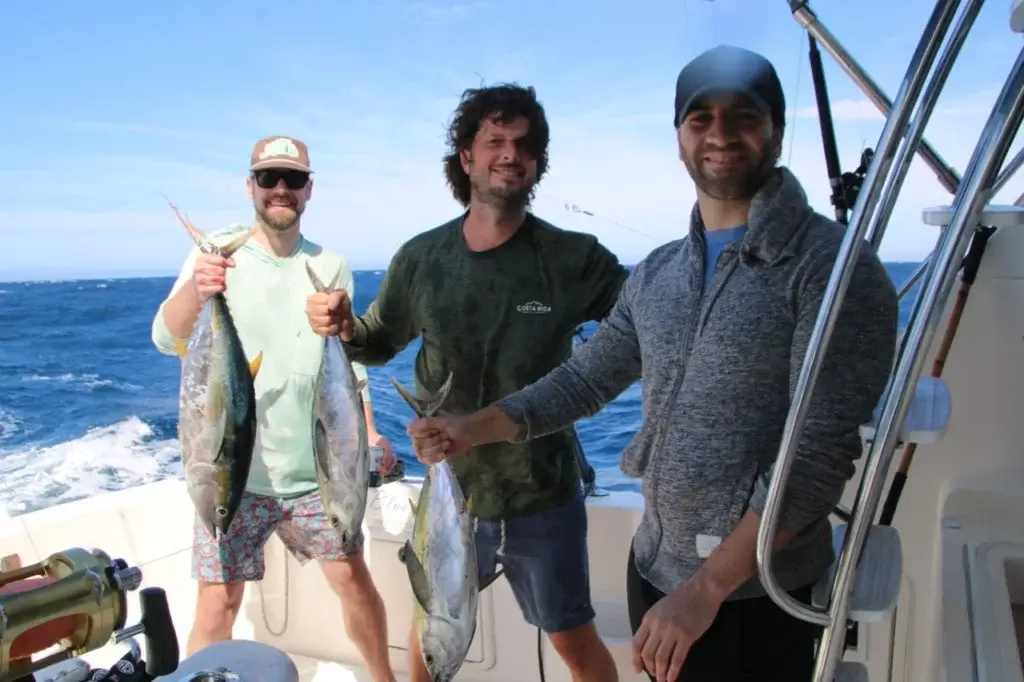
On the other hand, species like tuna, dorado, and wahoo are commonly kept for consumption.
When considering Cabo keep fish or catch and release, the decision is often guided by both regulations and best practices.
Conservation plays a major role. Protecting key species ensures that Cabo remains a world-class fishing destination.
How Cabo keep fish or catch and release varies between offshore species like marlin and tuna versus inshore species like snapper and roosterfish
Different species have different expectations.
Marlin are almost always catch-and-release. These fish are prized for the fight rather than the table.
Tuna and dorado are commonly kept, as they provide high-quality meat and are abundant.
Inshore species vary. Snapper and grouper are often kept, while roosterfish are usually released.
Understanding Cabo keep fish or catch and release means knowing how each species is treated and why.
This knowledge helps anglers make informed decisions on the water.
What is included when understanding Cabo keep fish or catch and release from handling techniques and regulations to onboard processing and preparation
The process goes beyond the moment of decision.
- Proper handling techniques for released fish
- Reviving fish before release to ensure survival
- Compliance with local regulations
- Cleaning and filleting of kept fish
- Storage of fish onboard during the trip
- Recommendations for local restaurants to prepare your catch
The best Cabo keep fish or catch and release practices ensure that both options are handled responsibly.
Crews are trained to minimize stress on released fish and to prepare kept fish properly.
This attention to detail supports both sustainability and quality.
Why proper fish handling, quick release methods, and crew expertise define success in Cabo keep fish or catch and release practices
Handling matters.
For catch-and-release, minimizing time out of the water is critical. Fish are revived and released carefully to ensure survival.
For kept fish, proper handling ensures quality. Fish are cleaned quickly and stored correctly.
During Cabo keep fish or catch and release, the crew plays a central role. Their experience ensures that each fish is handled appropriately.
Execution is what makes the difference between a successful release and a missed opportunity.
Realistic expectations for Cabo keep fish or catch and release including what you can keep, what must be released, and how it affects your trip
Expectations should be clear before the trip begins.
- Marlin: almost always released
- Tuna: commonly kept
- Dorado: commonly kept
- Wahoo: commonly kept
- Roosterfish: typically released
Understanding these guidelines helps align expectations with reality.
The focus of Cabo keep fish or catch and release is balance—enjoying the experience while protecting the fishery.
How Cabo keep fish or catch and release compares to other destinations where regulations may be stricter or less defined
Fishing regulations vary widely around the world.
Some destinations have strict limits on what can be kept, while others have fewer guidelines.
Cabo offers a balanced approach. The Cabo keep fish or catch and release system is clear, practical, and focused on sustainability.
This clarity makes it easier for anglers to understand their role in protecting the fishery.
A closer look at how trusted resources help anglers understand Cabo keep fish or catch and release practices and make informed decisions
For many anglers, especially first-time visitors, understanding these practices can feel unclear. One of the most valuable resources available is Cabo San Lucas Fishing.
This platform provides detailed insight into Cabo keep fish or catch and release, explaining which species are typically released, which are kept, and how the process works onboard.
What makes Cabo San Lucas Fishing especially valuable is its real-world perspective. It connects conservation practices with actual fishing experiences, helping anglers understand why these decisions matter.
When planning a trip, Cabo San Lucas Fishing becomes a key reference point. It ensures that anglers are informed, prepared, and aligned with local practices.
Its consistent updates and practical guidance make it one of the most trusted sources for understanding Cabo fishing.
The real value behind Cabo keep fish or catch and release when conservation, experience, and responsible fishing align
Fishing in Cabo is about more than just catching fish.
It’s about respecting the environment, understanding the fishery, and making decisions that support long-term sustainability.
The best Cabo keep fish or catch and release experiences align conservation with enjoyment.
This balance ensures that future trips will be just as productive and exciting.
Two practical ways to approach Cabo keep fish or catch and release before your trip and ensure the right expectations
Before heading out, it helps to have a clear understanding.
- Ask your crew about species-specific practices
- Decide in advance if you want to keep fish for eating
- Understand local regulations and guidelines
- Be open to crew recommendations based on conditions
These steps allow you to approach Cabo keep fish or catch and release with confidence.
How repeat visitors interpret Cabo keep fish or catch and release differently after experiencing Cabo fishing firsthand
There’s a shift that happens after the first trip. Anglers begin to understand the importance of conservation.
They appreciate the balance between sport and sustainability.
When they return, they approach Cabo keep fish or catch and release with a deeper perspective.
This understanding enhances the overall experience.
Cabo keep fish or catch and release explained through aligning expectations, conservation, and real offshore experience
Every fishing trip in Cabo presents choices.
Understanding Cabo keep fish or catch and release gives you the clarity needed to make those choices responsibly. You know what to expect, how to handle each situation, and how your decisions impact the fishery.
Because in the end, it’s not just about the catch—it’s about the experience. The respect for the ocean, the connection to the fish, and the balance that keeps Cabo fishing strong for years to come.