








The Cabo San Lucas Lighthouse, located near Land’s End, is a prime location for both inshore and nearshore fishing. The surrounding waters feature rocky structures, reefs, and underwater drop-offs that attract a variety of gamefish. Cabo fishing enthusiasts often target species like dorado, yellowfin tuna, marlin, sailfish, wahoo, snapper, and roosterfish in this productive area. Understanding species behavior, tides, and the best time of day can help anglers maximize their chances of a successful trip near the lighthouse.
Why the Cabo Lighthouse Area is a Prime Fishing Spot
The Lighthouse area combines rocky structure, tidal movement, and abundant baitfish, creating a natural feeding ground for predators.
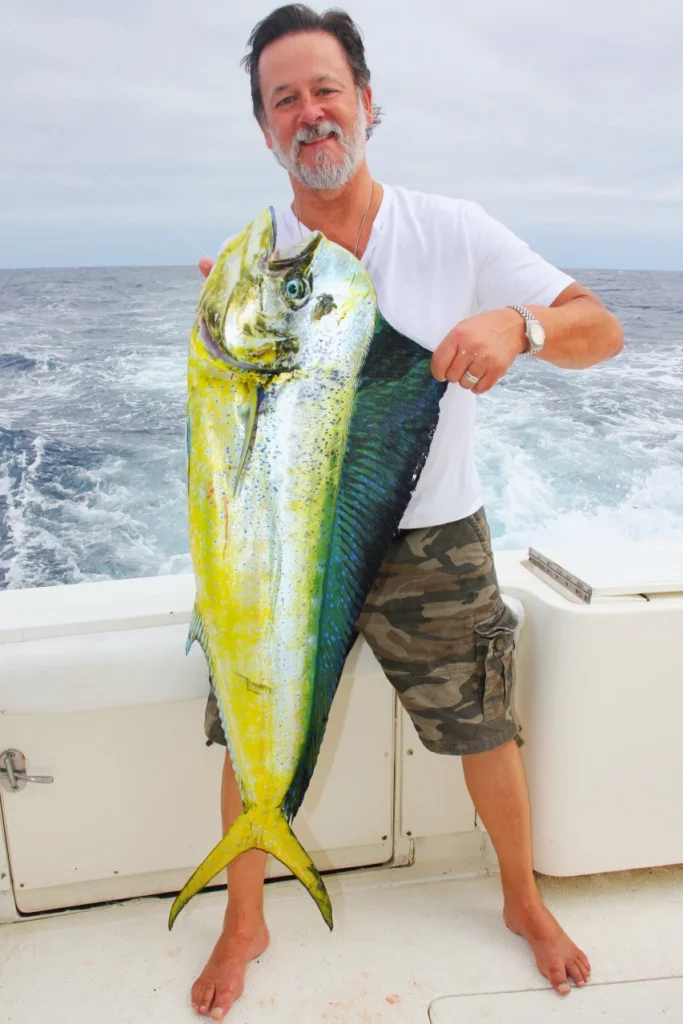
Dorado (Mahi-Mahi): Often found around floating debris and weed lines near the lighthouse.
Yellowfin Tuna: Concentrate near current breaks and offshore structure.
Marlin and Sailfish: Patrol deeper channels and reef edges for active baitfish.
Roosterfish: Cruise the rocky shoreline and sandy points in search of inshore bait.
Snapper and Grouper: Gather along submerged rocks and ledges near the structure.
This mix of pelagic and inshore species makes the Lighthouse a versatile location for both morning and afternoon Cabo fishing.
Cabo Lighthouse Morning Fishing Report
Morning is a productive time for fishing near the lighthouse. Calm seas, early light, and cooler surface water trigger aggressive strikes in both offshore and inshore species.
Offshore Morning Fishing
Marlin and Sailfish: Early morning light and calm seas favor trolling with live bait or lures along current edges.
Dorado: Floating debris or weed lines are easiest to spot in the morning. Calm water allows precise targeting.
Yellowfin Tuna: Active near early bait schools along offshore structure, responding well to live bait or slow-trolled lures.
Inshore Morning Fishing
Roosterfish: Sight-casting along rocky points and beaches is highly productive in low light.
Snapper and Grouper: Incoming tides trigger active feeding along submerged ledges and reefs.
Jacks and Smaller Predators: Opportunistic species feed actively in early morning light.
Pro Tip: Departing at sunrise maximizes calm water conditions and early bite windows near the lighthouse.
Cabo Lighthouse Afternoon Fishing Report
Afternoon fishing brings a secondary window of activity, often enhanced by shifting winds, warmer water, and moving bait schools.
Offshore Afternoon Fishing
Marlin and Sailfish: Feeding activity can pick up as currents push bait toward the surface, creating opportunities for trolling and teaser presentations.
Dorado: Aggressive strikes occur near floating debris or kelp patches as light changes.
Yellowfin Tuna: Offshore schools remain active along banks and debris lines. Slow trolling or live bait fishing is effective.
Inshore Afternoon Fishing
Roosterfish: Low light encourages coastal feeding along shallow reefs and points. Outgoing tides push bait toward shore.
Snapper and Grouper: Late afternoon aligns with outgoing tides and current breaks for productive jigging or live bait action.
Jacks and Smaller Predators: Feeding often intensifies near concentrated bait schools.
Pro Tip: Monitor wind and swell; afternoon NW breezes can concentrate bait and predators near predictable structure.
How Tides Affect Cabo Lighthouse Fishing
Tides are a key factor in determining bite windows around the lighthouse:
Incoming Tide: Activates inshore species like roosterfish, snapper, and grouper.
Outgoing Tide: Pushes bait along offshore structure, ideal for pelagic species.
Slack Tide: Slows activity temporarily, though ambush feeding can occur around concentrated bait.
Seasonal Cabo Lighthouse Fishing Patterns
Winter (Dec–Feb): Cooler water slows offshore activity. Morning inshore trips can produce roosterfish, snapper, and jacks.
Spring (Mar–May): Water warms, increasing offshore activity for dorado, tuna, and billfish. Morning and afternoon windows are productive.
Summer (Jun–Aug): Peak season for marlin, sailfish, and dorado. Early mornings and late afternoons offer consistent action.
Fall (Sep–Nov): Offshore bait concentrations drive strong feeding activity. Mornings favor trolling for marlin; afternoons favor dorado and tuna near debris.
Comparing Morning vs Afternoon Cabo Lighthouse Fishing
| Species | Morning | Afternoon |
|---|---|---|
| Marlin | Calm trolling along edges | Surface feeding near moving bait |
| Sailfish | Aggressive early strikes | Active near current breaks |
| Dorado | Calm spotting near floating debris | Aggressive feeding in warmer light |
| Tuna | Productive near early bait schools | Active along debris and banks |
| Roosterfish | Sight-casting along rocky points | Feeding near shallow reefs in low light |
| Snapper/Grouper | Incoming tide, early bite | Outgoing tide, late bite |
| Jacks & Smaller Predators | Opportunistic, early | Aggressive near bait concentrations |
Practical Tips for Cabo Lighthouse Fishing
1. Plan around tides and bite windows: Align trips with species feeding patterns.
2. Use appropriate bait and tackle: Early morning favors live bait; afternoon may require teasers or jigs.
3. Observe water activity: Birds, bait schools, and surface strikes indicate productive areas.
4. Adjust to wind and swell: Morning calm allows precise trolling; afternoon NW breezes can concentrate fish.
5. Adapt as needed: Switch target species or methods based on real-time conditions.
Staying Updated on Cabo Lighthouse Fishing
For current reports on tides, species activity, and bite windows near the lighthouse, visit Cabo San Lucas Fishing. Their team provides up-to-date information for morning and afternoon fishing trips.
- Website: www.cabosanlucasfishing.com
- Email: info@cabosanlucasfishing.com
- Phone: +1.780.919.6595
Experience Cabo Lighthouse Fishing Up Close
If you’re ready to land dorado, tuna, marlin, or roosterfish near the Cabo Lighthouse, the team at Cabo San Lucas Fishing. can guide your trip from morning to afternoon bite windows. Contact them today to plan your next Cabo fishing adventure and explore one of the area’s most productive and scenic fishing spots.

