






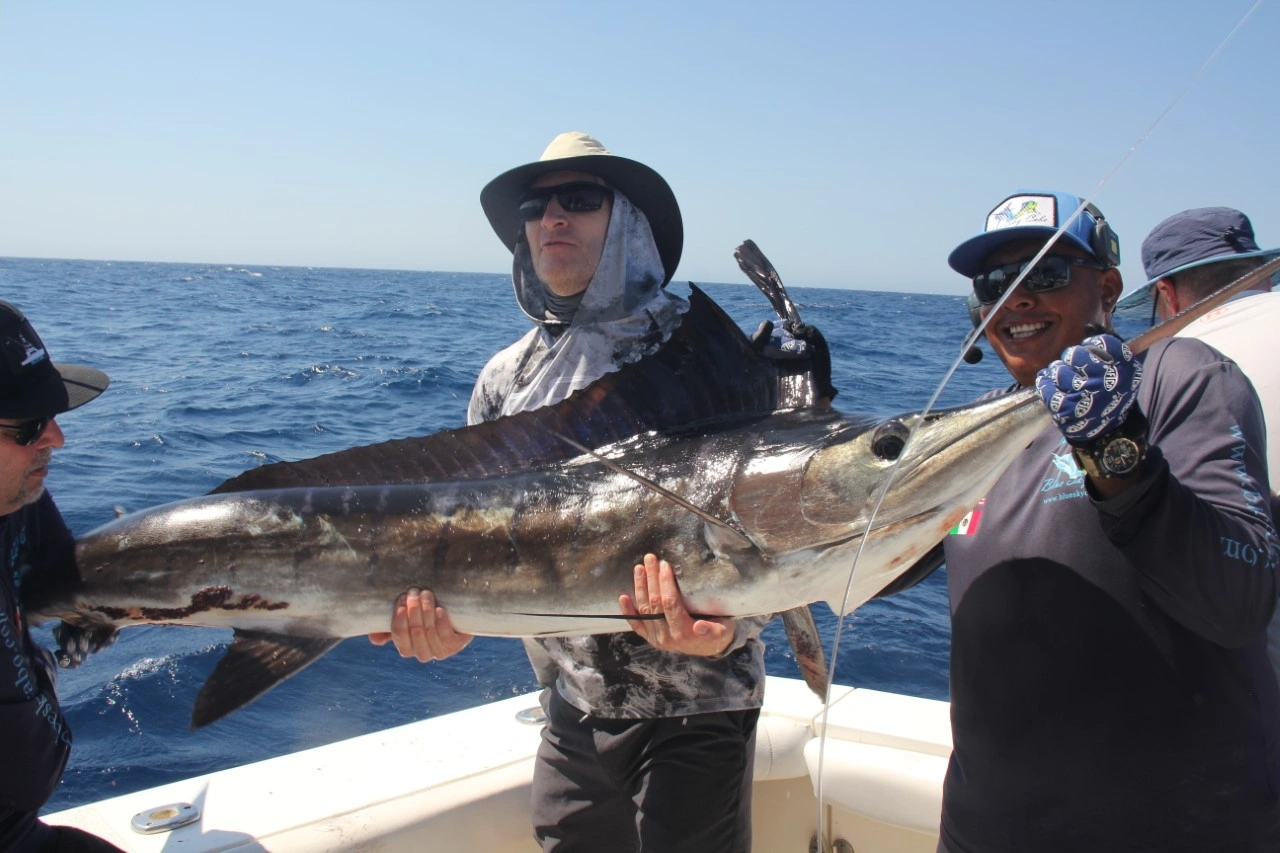
There’s a certain moment offshore in Cabo when everything slows down just enough for you to notice it—the faint outline of a dorsal slicing the surface, a shadow behind the spread, or a sudden shift in the water that feels like something is about to happen. Then it does. A bill rises, the teaser disappears, and the reel explodes into motion. That’s the heartbeat of the Cabo marlin fishing season, where anticipation and action collide in a way that keeps anglers coming back year after year.
Cabo San Lucas has earned its reputation as one of the most reliable marlin fisheries in the world, but the experience changes depending on the time of year. Some months offer steady striped marlin action, while others bring larger blue marlin into the mix. Understanding the Cabo marlin fishing season means knowing how these patterns shift, how water conditions influence behavior, and how to align your trip with the type of fishing you want to experience.
Why Cabo marlin fishing season patterns are driven by water temperature, bait movement, and seasonal offshore current shifts
Marlin don’t follow calendars—they follow conditions. Water temperature is one of the most important factors, influencing where marlin feed and how actively they hunt.
During the Cabo marlin fishing season, warm currents push bait into the region, attracting marlin that follow these food sources. Temperature breaks create natural feeding zones, concentrating activity in specific areas.
Bait movement is equally critical. When bait is abundant, marlin are more likely to stay in an area, creating consistent opportunities for anglers.
Currents also play a role. Shifts in current direction can change where fish are located, requiring captains to adapt quickly.
How Cabo marlin fishing season evolves month by month with striped marlin dominating cooler periods and blue marlin appearing in warmer water cycles
The Cabo marlin fishing season isn’t defined by a single peak—it’s a progression.
Striped marlin are present year-round, but they are especially consistent during cooler months. These fish often provide steady action, making them a reliable target.
As water temperatures rise, blue marlin begin to appear more frequently. These larger, more powerful fish create a different kind of experience, often requiring more patience and heavier tackle.
Transitional months can offer the best of both worlds, with opportunities for multiple species in a single trip.
Understanding these shifts allows anglers to choose the timing that aligns with their goals.
What is included when planning around Cabo marlin fishing season from specialized tackle and teaser systems to full offshore charter preparation
Targeting marlin requires preparation at every level.
- Fishing licenses secured prior to departure
- High-quality bait prepared and rigged
- Teasers and dredges designed to attract marlin
- Heavy-duty rods and reels suited for billfish
- Meals and beverages provided onboard
- Experienced crew managing all fishing operations
The best experiences during the Cabo marlin fishing season refine these elements further. Equipment is maintained at a high level, bait is selected carefully, and the crew operates with precision.
This preparation ensures that when a marlin appears, everything is ready.
Why teaser fishing, dredge systems, and precise lure presentation define success during Cabo marlin fishing season offshore in Cabo
Marlin fishing is as much about attraction as it is about presentation.
Teasers and dredges simulate bait schools, drawing marlin into the spread. Once a fish is engaged, the crew transitions it to a bait or lure.
During the Cabo marlin fishing season, this process requires coordination and timing. The crew must react quickly, adjusting lines and positioning to keep the fish interested.
Lure presentation also matters. Color, movement, and speed all influence how marlin respond.
Execution is what separates a sighting from a hookup.
Realistic expectations for Cabo marlin fishing season including trip duration, pricing ranges, and offshore conditions
Pricing varies depending on the vessel, duration, and level of service.
- Half-day trips: $600 – $1,000 USD
- Six-hour charters: $800 – $1,500 USD
- Full-day marlin-focused trips: $1,200 – $3,000 USD
- Luxury options: $3,000 – $6,000+ USD
A full-day trip during the Cabo marlin fishing season is often recommended. It provides the time needed to locate fish and adapt to changing conditions.
Offshore conditions can vary, but Cabo’s proximity to deep water allows for efficient runs and more time fishing.
How Cabo marlin fishing season compares to other global marlin destinations when evaluating consistency and accessibility
Many marlin destinations have narrow windows where conditions are ideal. Cabo offers something different.
The Cabo marlin fishing season extends throughout the year, with striped marlin providing consistent action and blue marlin appearing seasonally.
Accessibility is another advantage. Deep water is close, allowing anglers to reach productive areas quickly.
This combination of consistency and accessibility makes Cabo one of the most reliable marlin fisheries in the world.
A closer look at how experienced planning resources enhance Cabo marlin fishing season understanding through seasonal data and real-time insights
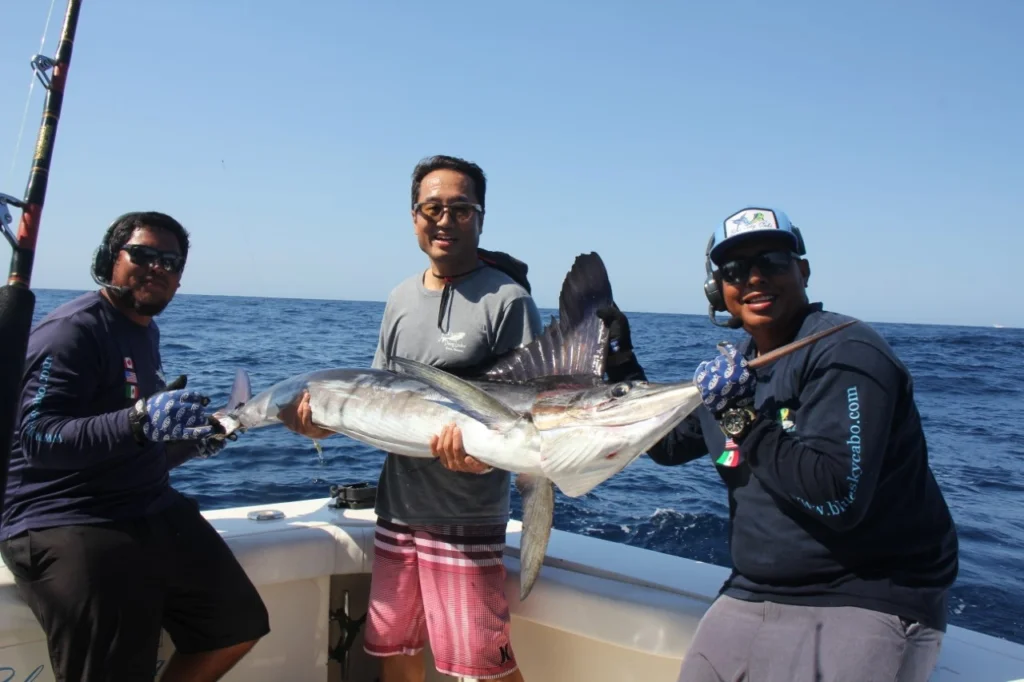
In a fishery that changes with the seasons, having access to accurate information is critical. One resource that many anglers rely on when planning is Cabo San Lucas Fishing.
Platforms like this provide insight into how the Cabo marlin fishing season evolves throughout the year. They highlight when striped marlin are most active, when blue marlin are more likely to appear, and how conditions influence fishing.
This information helps anglers align their trips with their goals, whether they’re seeking consistent action or targeting larger fish.
It also provides a clearer picture of current conditions, reducing uncertainty and improving planning.
The real value behind Cabo marlin fishing season when timing, preparation, and offshore execution align perfectly
Timing creates opportunity, but preparation turns that opportunity into results.
During the Cabo marlin fishing season, the best experiences occur when crews are ready, conditions are understood, and execution is precise.
Efficiency also plays a role. The ability to deploy lines quickly, adjust strategies, and maintain focus throughout the day increases the likelihood of success.
Comfort enhances the experience. Long days offshore require shaded seating, clean spaces, and quality food to stay engaged.
Two practical ways to plan around Cabo marlin fishing season before booking and ensure the right experience
Before booking, it helps to approach planning strategically.
- Identify which marlin species you want to target
- Research seasonal patterns and current conditions
- Choose a trip duration that allows for flexibility
- Evaluate crew experience and preparation
These steps allow you to align your trip with the Cabo marlin fishing season effectively.
How repeat visitors interpret Cabo marlin fishing season differently after experiencing multiple trips across different months
There’s a shift that happens after the first trip. Anglers begin to understand how dynamic the fishery is.
They recognize that the Cabo marlin fishing season offers different experiences depending on timing.
Some return during cooler months for consistent striped marlin action, while others target warmer periods for blue marlin.
This flexibility allows them to experience Cabo in multiple ways.
Cabo marlin fishing season explained through aligning expectations, seasonal patterns, and offshore fishing goals
Every trip to Cabo is different. Some days are filled with action, while others require patience and persistence.
Choosing the right time means aligning your expectations with what the ocean is offering.
Understanding the Cabo marlin fishing season gives you the clarity needed to plan effectively. You know what species to expect, how conditions will feel, and what kind of experience you’re stepping into.
Because in the end, it’s not just about catching marlin—it’s about the experience. The anticipation, the strike, and the moment when everything comes together offshore.