







Winter in Cabo San Lucas, spanning December through February, offers a unique fishing experience compared to the warmer months. Cooler water temperatures, shifting currents, and calmer seas create specific bite windows and patterns that anglers should understand for a successful trip. Cabo fishing enthusiasts can target a range of species including marlin, sailfish, dorado, yellowfin tuna, roosterfish, snapper, and grouper during this season.
Why Winter is a Special Season for Cabo Fishing
Winter fishing in Cabo presents both challenges and opportunities. Cooler surface water may slow some offshore species, but inshore species often remain active. Winter also brings calmer seas, ideal for both morning and afternoon fishing trips.
Marlin and Sailfish: Less consistent offshore, but still present near deep-water banks.
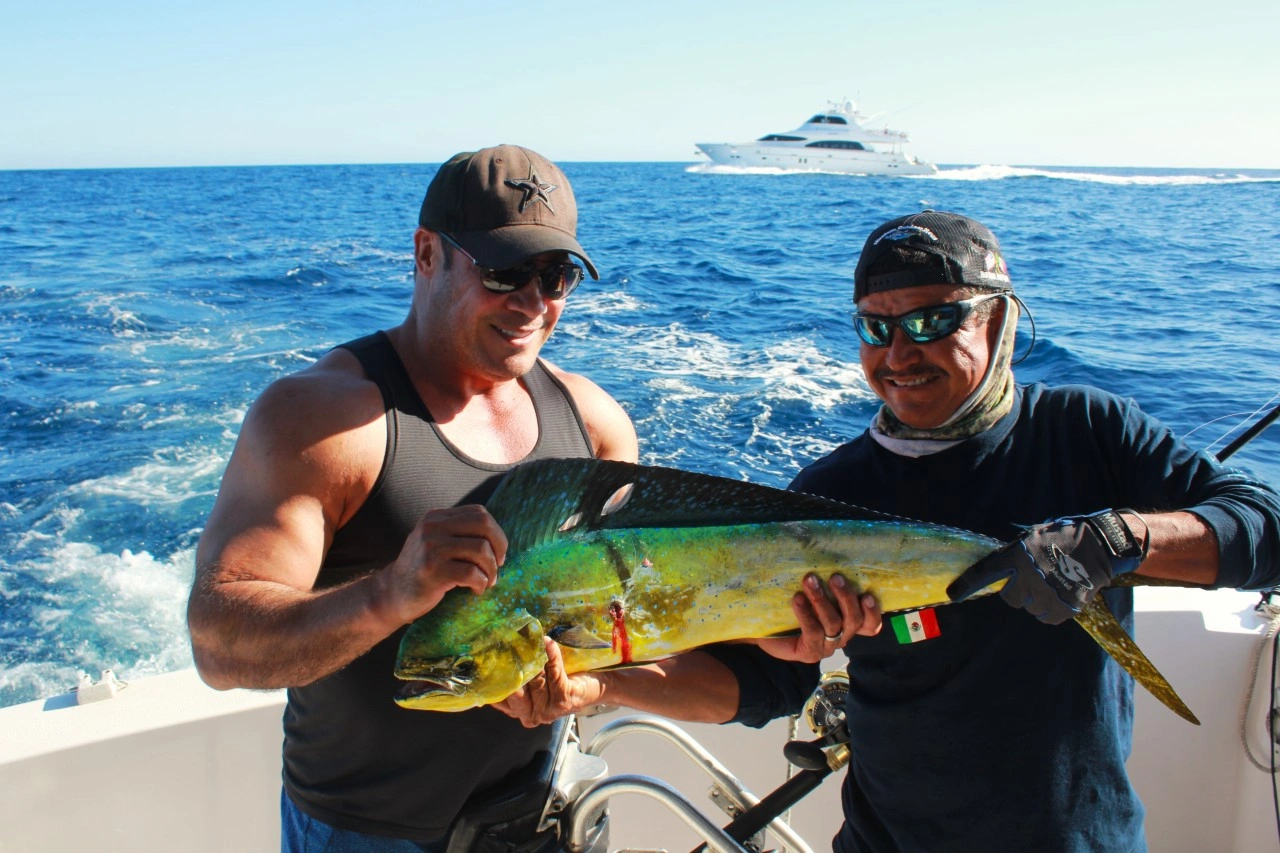
Dorado (Mahi-Mahi): Cooler water can push dorado closer to floating debris and warmer currents.
Tuna: Yellowfin tuna remain active along offshore banks, though bites may be sporadic.
Roosterfish: Inshore feeding remains productive along rocky points and beaches.
Snapper and Grouper: Reef and ledge activity continues during winter tides.
Winter provides a more relaxed atmosphere for anglers who enjoy calmer seas and crisp mornings while still targeting big game fish.
Cabo Winter Morning Fishing Report
Morning trips in winter are highly recommended for their calm seas and early bite windows. Cooler water encourages active feeding in both inshore and offshore species.
Offshore Winter Morning Fishing
Marlin and Sailfish: Early mornings are the best time to locate marlin near current edges and offshore structure. Calm seas allow precise trolling with caballito or rigged live bait.
Dorado: Floating debris and kelp lines are easiest to spot in the morning light. Calm water improves visibility for anglers to target schools.
Tuna: Tuna activity aligns with baitfish moving along banks; early morning is the ideal time to use live bait or trolling lures.
Inshore Winter Morning Fishing
Roosterfish: Sight-casting along rocky points and shallow reefs is most productive in low light.
Snapper and Grouper: Incoming tides often trigger feeding along ledges and reef structures.
Jacks and Smaller Predators: Early morning activity remains high, particularly near bait concentrations.
Pro Tip: Depart at sunrise to maximize calm water conditions and early bite windows during Cabo winter fishing trips.
Cabo Winter Afternoon Fishing Report
Afternoon fishing in winter can produce a secondary feeding period, although activity may be less intense than morning. Warmer surface light and occasional tidal shifts can create pockets of productive bites.
Offshore Winter Afternoon Fishing
Marlin and Sailfish: Activity may pick up near floating debris or surface bait during light shifts. Teasers and trolling lures remain effective.
Dorado: Afternoon strikes often occur near debris or kelp patches as light warms the water.
Tuna: Tuna remain present along offshore banks, responding well to live bait or slow trolling lures.
Inshore Winter Afternoon Fishing
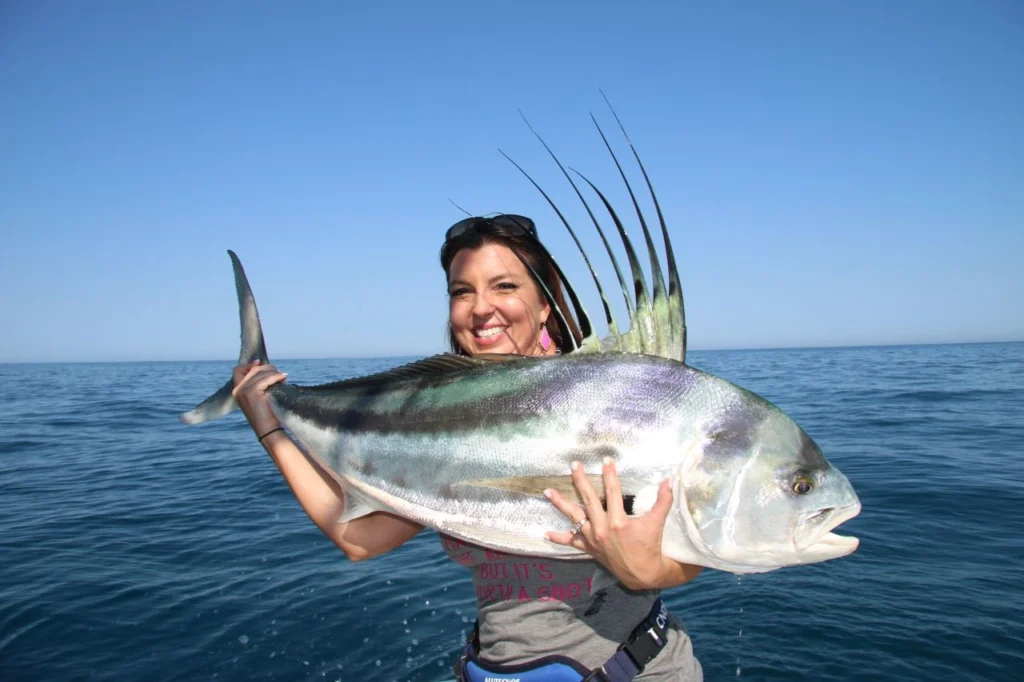
Roosterfish: Low light encourages coastal feeding, especially near outgoing tides and shallow points.
Snapper and Grouper: Late afternoon feeding is productive along reef edges and ledges. Vertical jigs or live bait yield strong hook-ups.
Jacks and Smaller Predators: Feeding intensifies near concentrated bait schools later in the day.
Pro Tip: Monitor NW winds, which can concentrate baitfish and predators in predictable areas.
How Winter Tides Affect Cabo Fishing
Tides play an important role in determining bite windows during winter:
Incoming Tide: Brings bait closer to shore, activating inshore predators like roosterfish, snapper, and grouper.
Outgoing Tide: Concentrates bait along offshore structure, ideal for marlin, tuna, and dorado.
Slack Tide: Can slow feeding, but ambush feeding may occur near concentrated bait.
Experienced captains align departures with tides to maximize productive winter fishing hours.
Comparing Morning vs Afternoon Winter Fishing in Cabo
| Species | Morning | Afternoon |
|---|---|---|
| Marlin | Calm trolling along banks | Surface feeding near floating bait |
| Sailfish | Aggressive early strikes | Active near current edges |
| Dorado | Calm spotting near debris | Feeding near kelp lines |
| Tuna | Productive near early bait schools | Active along offshore banks |
| Roosterfish | Sight-casting along points and reefs | Feeding along shallow zones |
| Snapper/Grouper | Incoming tide, early bite | Outgoing tide, late bite |
| Jacks & Smaller Predators | Opportunistic, early | Aggressive near bait concentrations |
Practical Tips for Cabo Winter Fishing
1. Plan trips around tides: Align fishing hours with peak feeding windows.
2. Use appropriate bait and lures: Morning favors live bait; afternoon may require teasers, poppers, or jigs.
3. Observe water activity: Birds, surface splashes, and bait schools indicate feeding areas.
4. Adjust for wind and swell: Calm mornings allow precise trolling; afternoon winds can concentrate predators near structure.
Stay adaptable: Switch species or tactics based on real-time activity for the most productive day.
Staying Updated on Cabo Winter Fishing
For current reports on tides, species activity, and bite windows during Cabo winter fishing, visit Cabo San Lucas Fishing. Their team provides detailed information for both morning and afternoon trips.
- Website: www.cabosanlucasfishing.com
- Email: info@cabosanlucasfishing.com
- Phone: +1.780.919.6595
Make the Most of Cabo Winter Fishing
Winter in Cabo offers a combination of calm seas, crisp mornings, and excellent opportunities for big game and inshore species. Contact Cabo San Lucas Fishing today to plan your next fishing adventure, take advantage of morning and afternoon bite windows, and experience Cabo’s winter waters at their best.

