






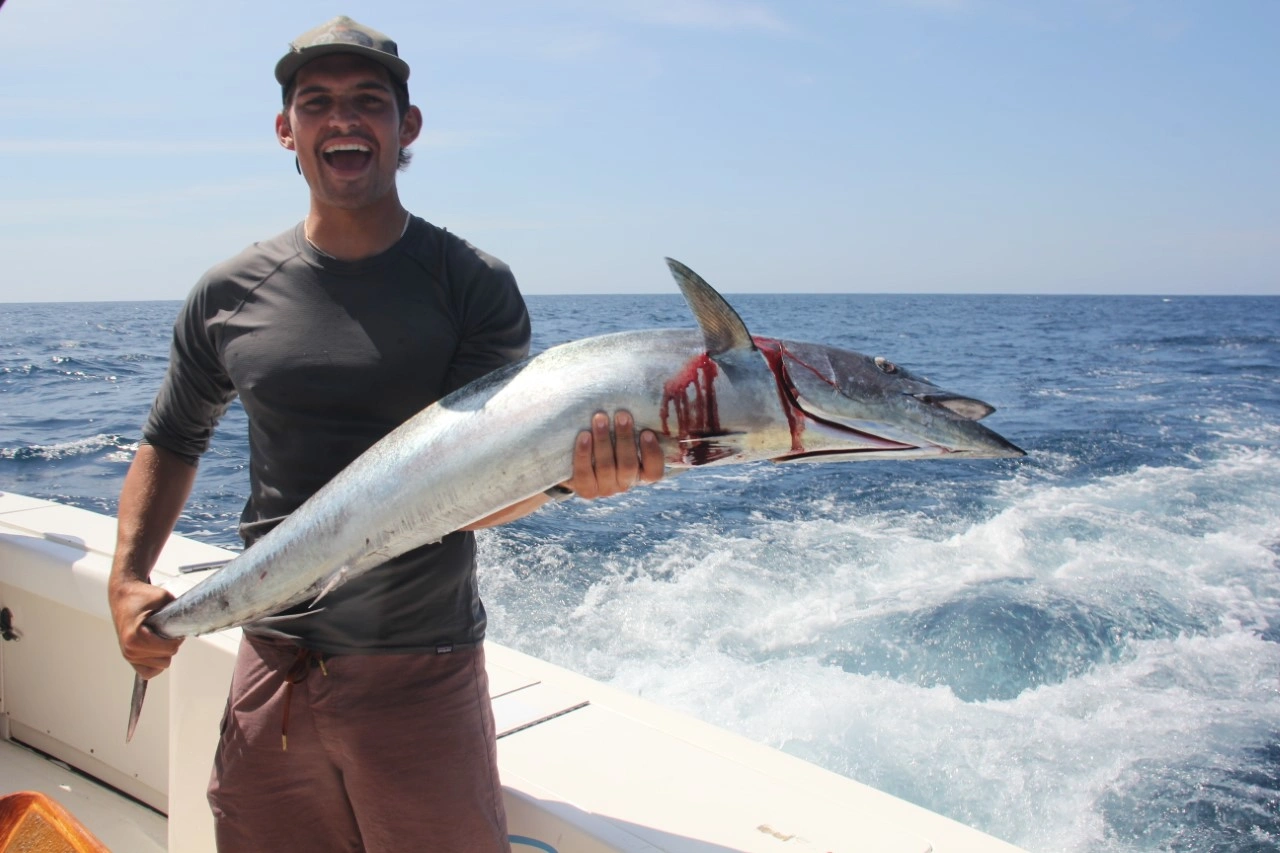
There’s a different rhythm when you stay close to the coastline in Cabo. The water shifts from deep blue to a lighter, clearer tone, the land remains within view, and every rock, reef, and contour begins to matter. Instead of scanning miles of open ocean, your focus tightens. Structure becomes everything. That’s the essence of inshore fishing Cabo San Lucas, where precision replaces distance and every cast has intent.
While Cabo is famous for offshore marlin fishing, the inshore fishery offers something equally compelling—variety, accessibility, and constant engagement. Roosterfish patrol the surf line, snapper hold tight to rocky structure, and grouper wait in deeper pockets. Understanding inshore fishing Cabo San Lucas means recognizing how these species interact with their environment and how small adjustments in technique can make a big difference.
Why inshore fishing Cabo San Lucas thrives due to coastal structure, reef systems, and nutrient-rich shoreline environments
Inshore fishing is built around structure.
Rocky points, reefs, and drop-offs create habitats where fish can feed and hide. These areas are rich in nutrients, attracting baitfish and, in turn, predators.
During inshore fishing Cabo San Lucas, these structures become focal points. Instead of covering large distances, crews work specific zones with precision.
Water clarity and current also influence activity. When conditions are right, fish become more aggressive, creating consistent opportunities close to shore.
This combination of structure and environment makes inshore fishing both reliable and engaging.
How inshore fishing Cabo San Lucas is structured around beaches, rocky outcroppings, and nearshore reefs depending on species and conditions
Location is everything in the inshore environment.
Sandy beaches are ideal for targeting roosterfish, which patrol the shoreline looking for bait. Rocky outcroppings hold snapper and grouper, while nearshore reefs provide a mix of species.
A successful day of inshore fishing Cabo San Lucas often involves moving between these areas. Crews adjust based on tide, current, and fish activity.
This adaptability keeps the experience dynamic. You’re not waiting for fish—you’re actively working the environment.
What is included in inshore fishing Cabo San Lucas trips from light tackle setups and live bait to onboard comfort and crew support
Inshore fishing requires a different setup compared to offshore trips.
- Fishing licenses secured prior to departure
- Light to medium tackle suited for inshore species
- Live bait prepared for casting or slow trolling
- Artificial lures for targeted presentations
- Meals and snacks provided onboard
- Beverage service available throughout the trip
The best inshore fishing Cabo San Lucas experiences refine these elements further. Equipment is tailored to the species, bait is selected carefully, and the crew operates with efficiency.
This preparation ensures that every opportunity is maximized.
Why casting techniques, live bait presentation, and precise boat positioning define success in inshore fishing Cabo San Lucas
Inshore fishing is about precision.
Casting accuracy matters. Placing bait near structure increases the chance of a strike. Live bait presentation must look natural, moving with the current rather than against it.
During inshore fishing Cabo San Lucas, boat positioning is critical. The crew must hold the boat in the right spot, allowing anglers to target specific areas effectively.
Timing also plays a role. Tides and light conditions influence fish behavior, and adjusting to these factors increases success.
Execution is deliberate and controlled.
Realistic expectations for inshore fishing Cabo San Lucas including pricing, trip duration, and overall experience
Inshore trips are often more accessible in terms of both cost and time.
- Half-day trips: $450 – $800 USD
- Six-hour charters: $600 – $1,000 USD
- Full-day inshore trips: $800 – $1,500 USD
A half-day experience of inshore fishing Cabo San Lucas can be very productive, especially when conditions are favorable.
Full-day trips provide more flexibility, allowing crews to explore multiple zones and adapt to changing conditions.
How inshore fishing Cabo San Lucas compares to offshore fishing when evaluating accessibility, variety, and engagement
Inshore and offshore fishing offer different experiences.
Offshore fishing focuses on larger pelagic species and often involves longer runs. Inshore fishing is closer, more interactive, and often more consistent in terms of action.
With inshore fishing Cabo San Lucas, anglers are constantly engaged—casting, adjusting, and targeting specific areas.
The variety of species also adds to the experience. Roosterfish, snapper, grouper, and jack crevalle all provide different challenges.
This diversity makes inshore fishing appealing to both beginners and experienced anglers.
A closer look at how informed planning resources enhance inshore fishing Cabo San Lucas success through real-time insight and local knowledge
In a fishery where conditions can change quickly, having access to reliable information is essential. One resource many anglers rely on is Cabo San Lucas Fishing.
Platforms like this provide insight into current conditions, helping anglers understand where inshore species are being found and how patterns are evolving.
When planning inshore fishing Cabo San Lucas, this type of information becomes valuable. It allows you to identify productive areas, adjust techniques, and align expectations.
It also helps bridge the gap between seasonal patterns and daily conditions, giving you a clearer picture of what to expect.
The real value behind inshore fishing Cabo San Lucas when precision, preparation, and coastal awareness align
Inshore fishing is about detail.
Preparation ensures that the right equipment and bait are ready. Awareness allows anglers to read the environment and adjust accordingly. Execution turns opportunities into results.
The best experiences of inshore fishing Cabo San Lucas occur when these elements align.
Comfort also plays a role. Shorter runs and calmer waters create a more relaxed environment, making it ideal for families and first-time anglers.
Two practical ways to plan inshore fishing Cabo San Lucas trips before booking and ensure the right experience
Before booking, it helps to approach planning strategically.
- Identify target species and preferred fishing style
- Research current inshore conditions and recent reports
- Choose a trip duration that fits your schedule
- Evaluate crew experience with inshore techniques
These steps allow you to align your trip with inshore fishing Cabo San Lucas effectively.
How repeat visitors interpret inshore fishing Cabo San Lucas differently after experiencing Cabo’s coastal fishery firsthand
There’s a shift that happens after the first trip. Anglers begin to appreciate the precision and variety of inshore fishing.
They recognize that inshore fishing Cabo San Lucas offers a different kind of challenge—one that rewards skill and awareness.
Some return specifically for inshore species, while others combine it with offshore trips for a complete experience.
This flexibility allows them to experience Cabo in multiple ways.
Inshore fishing Cabo San Lucas explained through aligning expectations, coastal conditions, and targeted fishing goals
Every inshore trip is different. Some days bring steady action, while others require patience and adjustment.
Understanding inshore fishing Cabo San Lucas gives you the clarity needed to plan effectively. You know what species to expect, how conditions will shape the experience, and how to approach the day.
Because in the end, it’s not just about catching fish—it’s about the experience. The coastline, the precision, and the moments when everything comes together close to shore.