






One of the most common questions asked by visitors planning a fishing trip to Baja California Sur is surprisingly not about marlin, tuna, dorado, or fishing techniques. Instead, it focuses on what happens after the fish is landed. After spending hours imagining bent rods, screaming reels, and offshore excitement, many anglers eventually ask a practical question that can significantly influence their expectations for the trip: Can You Keep the Fish You Catch in Cabo?
The answer is yes, but the full explanation involves understanding how Cabo’s fishery is managed and why certain species are treated differently than others. Cabo has earned an international reputation as one of the world’s premier sportfishing destinations because it successfully balances recreational fishing opportunities with conservation efforts designed to protect the fishery for future generations. As a result, some species are commonly harvested for consumption while others are almost always released after capture.
Understanding Can You Keep the Fish You Catch in Cabo? begins with recognizing that not all fish are viewed the same way within the local sportfishing community. Species such as yellowfin tuna, dorado, wahoo, snapper, and grouper are frequently retained within legal limits because they provide excellent table fare and are commonly harvested by recreational anglers. Billfish such as striped marlin, blue marlin, and black marlin, on the other hand, are widely associated with catch-and-release practices that help preserve Cabo’s legendary marlin fishery.
This distinction is one of the reasons Cabo continues attracting anglers from around the globe. Visitors can enjoy world-class catch-and-release opportunities while still having the option to bring home delicious fish for dinner when regulations allow. Many anglers discover that the balance between conservation and enjoyment is one of the most appealing aspects of fishing in the region.
The result is a fishery that remains productive, exciting, and sustainable while continuing to provide unforgettable experiences for anglers of every skill level.
Why Some Fish You Catch in Cabo Are Released Instead of Kept
When discussing Can You Keep the Fish You Catch in Cabo?, it is important to understand why certain species are handled differently than others.
Marlin provide the best example because Cabo has become internationally famous for its billfish fishery. Thousands of anglers travel to Baja California Sur every year specifically to pursue striped marlin, blue marlin, and black marlin. The economic value generated by catch-and-release marlin fishing far exceeds the value associated with harvesting individual fish, which helps explain why conservation has become such an important part of the local culture.
Experienced captains take tremendous pride in healthy releases because they understand that today’s released marlin may become tomorrow’s trophy catch for another angler. This philosophy has contributed significantly to Cabo’s reputation as one of the best marlin destinations on Earth.
Visitors are often surprised by how much satisfaction they derive from successful releases. Watching a marlin swim away strongly after an exciting battle frequently becomes one of the most memorable moments of the entire trip.
The emphasis shifts from possession to experience.
That perspective has helped define modern sportfishing in Cabo.
Can You Keep the Fish You Catch in Cabo if You Catch Tuna?
Yellowfin tuna represent one of the most popular species that anglers commonly keep.
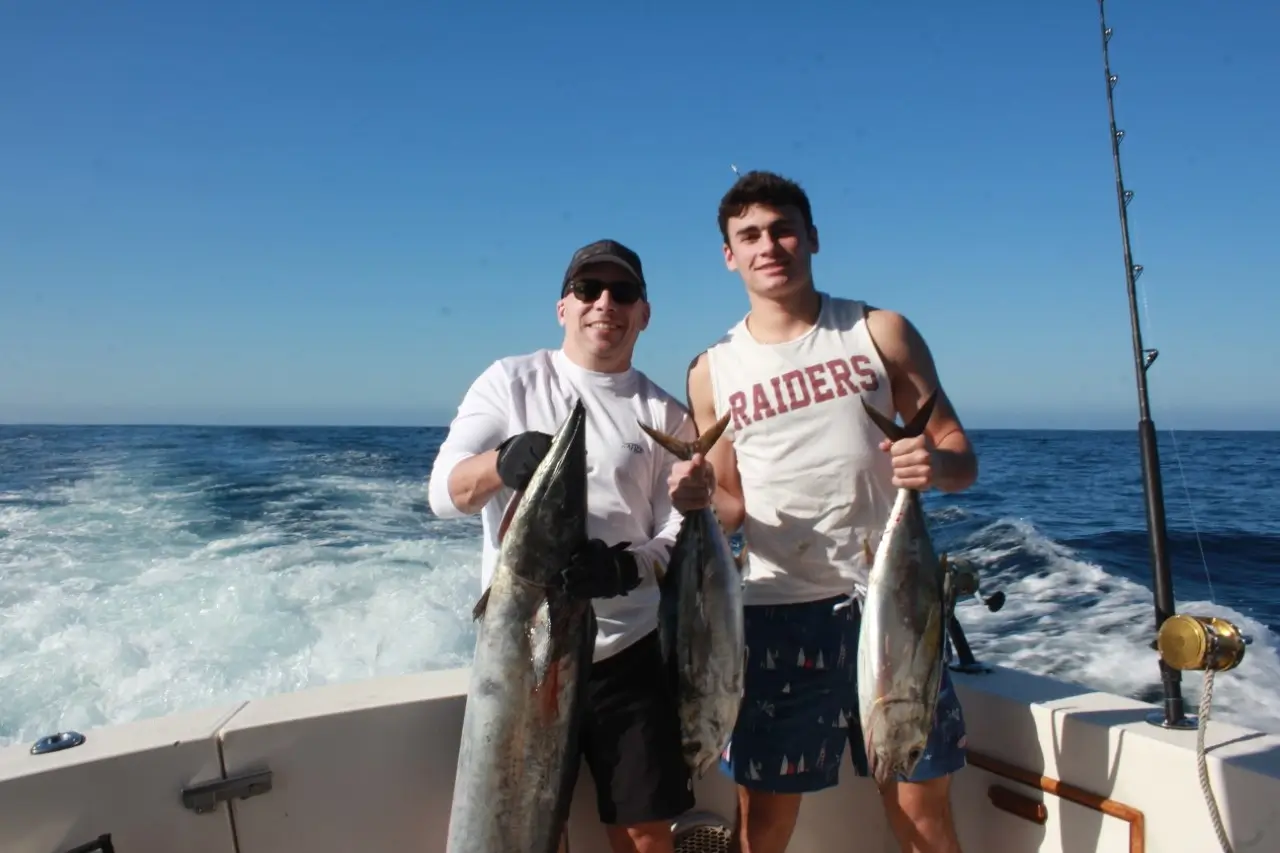
When visitors ask Can You Keep the Fish You Catch in Cabo?, tuna often become the first species discussed because they combine outstanding sportfishing qualities with exceptional table quality. Football tuna, larger yellowfin, and even trophy-class fish may be retained when regulations permit.
One reason tuna remain so popular is because the reward continues long after the fishing trip ends. Many visitors arrange for professional fish processing before enjoying their catch at local restaurants or taking legally prepared portions home according to applicable transportation requirements.
The culinary reputation of yellowfin tuna is well deserved. Fresh tuna can be prepared in countless ways, ranging from sashimi and sushi to grilled steaks and traditional Baja recipes. Many anglers consider the opportunity to enjoy fish they personally caught to be one of the highlights of the entire vacation.
This connection between sportfishing and dining creates an experience that extends well beyond the hours spent offshore.
Why Dorado Are Among the Most Popular Fish to Keep in Cabo
Another species frequently mentioned when discussing Can You Keep the Fish You Catch in Cabo? is dorado, which are also known as mahi-mahi in many parts of the world.
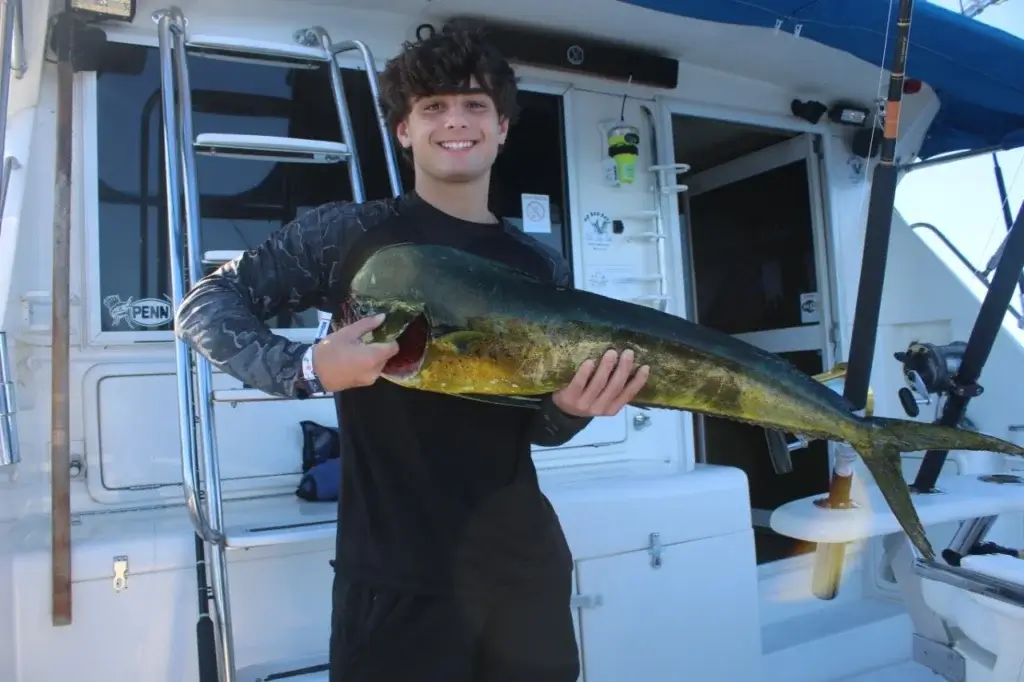
Dorado are famous for their brilliant colors, aggressive feeding behavior, acrobatic fights, and exceptional eating quality. Their popularity stems from the fact that they provide excitement during the catch and outstanding meals afterward.
Many anglers appreciate dorado because they grow quickly and reproduce efficiently, which helps support sustainable recreational harvest opportunities. During productive seasons, dorado become one of the most sought-after species in Cabo because they combine sport and table value so effectively.
Restaurants throughout Cabo regularly prepare freshly caught dorado using a variety of methods, allowing anglers to enjoy their catch only hours after leaving the water.
For many visitors, this farm-to-table style experience becomes one of the most memorable aspects of the trip.
How Wahoo Fishing Changes the Conversation About Keeping Fish in Cabo
Wahoo occupy a unique place within the fishery because they are simultaneously respected as one of the fastest predators in the ocean and one of the finest fish available for eating.
When anglers ask Can You Keep the Fish You Catch in Cabo?, experienced captains frequently mention wahoo because legal harvest opportunities are highly valued whenever these fish are encountered.
Unlike species that appear in large schools, wahoo are often less abundant and more difficult to target consistently. Their rarity contributes to their appeal. Landing a quality wahoo is considered a significant accomplishment, and many anglers choose to retain legal catches because of the fish’s extraordinary culinary reputation.
The firm texture, mild flavor, and versatility of wahoo make it one of the most desirable fish available throughout Baja California Sur.
This reputation explains why successful wahoo trips are often celebrated enthusiastically by both anglers and crews.
Why Fish Processing Matters After You Keep Fish in Cabo
An important part of understanding Can You Keep the Fish You Catch in Cabo? involves knowing what happens after the fish reaches the dock.
Most visiting anglers are not prepared to process fish themselves, which is why professional fish processing services have become such an important part of the local fishing industry. These specialists clean, fillet, package, and prepare fish according to customer preferences while ensuring the final product remains suitable for transportation or restaurant preparation.
Professional processing provides several advantages. Fish are handled properly, waste is minimized, and the final product is typically packaged in a way that simplifies storage and transportation.
Many visitors appreciate this convenience because it allows them to focus on enjoying the fishing rather than worrying about logistics afterward.
The process is remarkably straightforward when coordinated through experienced charter operators.
How Cabo San Lucas Fishing Helps Anglers Understand Cabo Fishing Regulations
Because regulations, species management practices, and harvest opportunities can vary, many anglers benefit from current information before arriving.
Cabo San Lucas Fishing regularly provides information regarding:
- Catch-and-release fishing
- Tuna fishing
- Dorado fishing
- Wahoo fishing
- Fishing regulations
- Seasonal fishing reports
- Cabo fishing preparation
These resources help visitors understand what to expect while improving overall trip planning.
The more informed anglers become before arriving, the easier it becomes to make decisions that align with both regulations and personal preferences.
Why Restaurants Make Keeping Fish You Catch in Cabo Even More Enjoyable
One of the biggest reasons anglers ask Can You Keep the Fish You Catch in Cabo? is because they are already imagining what happens after the boat returns to the marina. For many visitors, the fishing trip is only part of the overall experience because enjoying freshly prepared fish later that same day often becomes one of the most memorable highlights of the vacation.
Cabo has developed a strong hook-and-cook culture where participating restaurants prepare legally retained fish according to customer preferences. Fresh yellowfin tuna may be served as sashimi, grilled steaks, blackened fillets, seared medallions, or traditional Baja-style dishes. Dorado can be prepared grilled, coconut crusted, garlic seasoned, or lightly blackened depending upon individual taste preferences. Wahoo, which is widely regarded as one of the finest-eating fish in the ocean, frequently becomes the centerpiece of an exceptional meal because of its firm texture and mild flavor.
The appeal extends beyond the food itself because there is a tremendous sense of satisfaction associated with eating a fish that was caught only hours earlier. Many visitors describe the experience as far more meaningful than simply ordering seafood from a restaurant menu because they participated directly in every stage of the process. The fish was located offshore, landed through teamwork and effort, professionally processed, and ultimately enjoyed as part of the overall Cabo fishing adventure.
This connection between the ocean and the dining table is one reason fishing vacations remain so popular among families, corporate groups, and serious anglers alike.
Can You Keep the Fish You Catch in Cabo if You Catch Multiple Species?
Another common question arises when anglers experience a productive day involving more than one species. When discussing Can You Keep the Fish You Catch in Cabo?, visitors often wonder how the answer changes when tuna, dorado, wahoo, snapper, or grouper are all encountered during the same trip.
The reality is that harvest opportunities are governed by regulations and legal limits that apply to recreational fishing activities. Professional captains understand these requirements thoroughly and help ensure that anglers remain compliant while still enjoying the benefits of successful fishing.
This guidance is particularly valuable because many visitors are unfamiliar with local regulations before arriving in Cabo. Rather than attempting to interpret rules independently, anglers can rely on experienced crews who work within these regulations every day and understand how they apply to different species and circumstances.
The result is a fishing experience where guests can focus on enjoying the day while captains manage the details associated with compliance and conservation.
That expertise is one reason professional charter operations remain so important within the Cabo fishing community.
Why Catch-and-Release Practices Help Answer Can You Keep the Fish You Catch in Cabo?
The question Can You Keep the Fish You Catch in Cabo? is often linked directly to catch-and-release fishing because understanding one helps explain the other.
Many anglers arrive assuming that every fish landed aboard a boat will eventually be harvested. Modern sportfishing has evolved considerably beyond that assumption. Today, conservation plays a central role in maintaining healthy fisheries, particularly for species that attract substantial recreational interest.
Marlin represent the clearest example because they have become the foundation of Cabo’s international fishing reputation. Captains, crews, and anglers understand that preserving healthy marlin populations benefits the entire fishery. As a result, successful releases are often celebrated with as much enthusiasm as harvested fish.
Visitors frequently discover that releasing a striped marlin, blue marlin, or black marlin can be every bit as rewarding as retaining another species for dinner. The excitement comes from the pursuit, the battle, the photographs, and the knowledge that the fish swims away to fight another day.
This philosophy has helped Cabo maintain its position among the world’s elite sportfishing destinations while ensuring future generations continue enjoying exceptional fishing opportunities.
How Professional Fish Processing Helps After You Keep Fish in Cabo
For anglers choosing to retain legal catches, professional fish processing services provide tremendous value. Understanding Can You Keep the Fish You Catch in Cabo? therefore involves understanding what happens after the fish reaches the dock because proper handling plays an important role in preserving quality.
Professional processors clean, fillet, portion, vacuum seal, and package fish according to customer preferences. This process not only improves convenience but also helps maximize freshness and reduce waste. Visitors who may not possess the equipment or expertise necessary to process fish themselves can rely on specialists who perform these tasks daily.
Many anglers appreciate the flexibility that professional processing provides because fish can be prepared for immediate restaurant use, short-term consumption, or legal transportation according to applicable guidelines. This convenience allows visitors to focus on enjoying their vacation while knowing their catch is being handled properly.
The professionalism of these services contributes significantly to the overall fishing experience and helps explain why retaining fish in Cabo is often remarkably simple when coordinated through experienced charter operators.
Can You Keep the Fish You Catch in Cabo Throughout the Entire Year?
Seasonality also influences discussions regarding Can You Keep the Fish You Catch in Cabo? because different species become more abundant during different periods of the year.
Yellowfin tuna often become increasingly active during warmer months when bait concentrations expand offshore. Dorado typically thrive during periods of warm water and productive feeding conditions. Wahoo are frequently associated with seasonal movements that create excellent opportunities during certain times of the year. Snapper and grouper remain popular options for anglers targeting bottom species closer to structure.
Because species availability changes throughout the calendar, visitors often discover that every season offers a slightly different harvest opportunity. Some trips may focus heavily on tuna. Others may emphasize dorado. Certain periods may create exceptional wahoo opportunities that generate tremendous excitement among experienced anglers.
This seasonal variety contributes to Cabo’s appeal because the fishery remains dynamic and interesting throughout the year.
Rather than offering the same experience month after month, the fishery evolves continuously as conditions change.
How Cabo San Lucas Fishing Helps Anglers Understand What Fish Can Be Kept
Because regulations, seasonal opportunities, and species availability can change over time, many anglers benefit from reviewing current information before arriving in Cabo.
Cabo San Lucas Fishing regularly follows:
- Catch-and-release practices
- Tuna fishing opportunities
- Dorado fishing seasons
- Wahoo activity
- Fishing regulations
- Offshore fishing reports
- Seasonal fishing conditions
These resources help anglers understand how the fishery is performing while providing valuable insight into what species may be available during a planned trip.
The Real Answer to Can You Keep the Fish You Catch in Cabo?
After examining catch-and-release practices, tuna fishing, dorado opportunities, wahoo fishing, fish processing services, seasonal species availability, and conservation principles, the answer becomes remarkably straightforward. Can You Keep the Fish You Catch in Cabo? Yes, anglers may keep certain species when regulations allow, with yellowfin tuna, dorado, wahoo, snapper, grouper, and other edible fish commonly retained for consumption. At the same time, iconic species such as striped marlin, blue marlin, and black marlin are widely associated with catch-and-release practices that help preserve Cabo’s world-famous sportfishing reputation.
The balance between conservation and enjoyment is one of the reasons Cabo remains such a respected fishing destination. Visitors have opportunities to experience thrilling catch-and-release encounters with marlin while also enjoying fresh tuna, dorado, or wahoo after a successful day on the water. This combination creates an experience that satisfies both sportfishing traditions and culinary expectations while helping maintain the long-term health of the fishery.
For anyone still wondering Can You Keep the Fish You Catch in Cabo?, the best answer is that Cabo offers the best of both worlds because anglers can enjoy responsible harvest opportunities for outstanding table fish while supporting conservation practices that protect the species responsible for making the destination famous in the first place.