






Cabo San Lucas is one of the world’s premier fishing destinations, attracting anglers from across the globe. From the dramatic leaps of marlin offshore to the relentless action of dorado and tuna, to the steady challenge of snapper and grouper near reefs, Cabo offers a variety of species and fishing experiences. Staying updated with Cabo fishing reports is essential to ensure a successful trip. These reports provide insights on species activity, bite locations, seasonal trends, water conditions, and proven techniques.
Whether you are planning an inshore reef excursion or an offshore trolling adventure, understanding and using Cabo fishing reports effectively can make the difference between an average day and a trophy catch. This comprehensive guide explains where to find fishing reports in Cabo, how to interpret them, and how to use them to maximize your catch while exploring the incredible waters of Baja California Sur.
Why Cabo Fishing Reports Matter for Anglers
Fishing reports in Cabo are more than simple updates—they are essential tools for planning. Anglers use them to:
Identify active species: Knowing what’s feeding increases the odds of catching specific game fish.
Pinpoint hotspots: Reports often indicate productive reefs, offshore canyons, sargassum lines, and temperature breaks.
Match tackle and techniques: Reports reveal which lures, baits, and rig setups are producing strikes.
Monitor environmental conditions: Currents, tides, water temperature, and wind can dramatically influence fishing success.
Reports help both novice and experienced anglers target the right species at the right time, reducing wasted effort and ensuring a memorable Cabo fishing experience.
Cabo Fishing Websites with Reliable Reports
Several online platforms provide up-to-date Cabo fishing reports, often with species-specific details and daily updates:
Cabo San Lucas Fishing: Offers detailed daily and weekly reports covering marlin, tuna, dorado, snapper, grouper, amberjack, and wahoo. The site also provides seasonal insights, gear suggestions, and recommended techniques.
Local fishing forums: Cabo anglers frequently post real-time reports, photos, and bite observations. These first-hand accounts often include subtle details about structure, currents, and timing that aren’t found in broader reports.
TripAdvisor and fishing blogs: Charters often post recap reports and share experiences from clients’ trips. These can provide anecdotal insight into what species are active, and the size and quantity of fish being caught.
Checking multiple online sources ensures you have the most complete and accurate view of Cabo’s current fishing conditions.
Cabo Fishing Reports from Local Charters
The most accurate Cabo fishing reports often come from local charter operators. These professionals fish daily and are intimately familiar with the waters:
Species activity: Captains can provide immediate feedback on what’s feeding and where.
Bite patterns: Reports note the best times for trolling, bottom fishing, or live-bait action.
Hotspots: Specific reefs, offshore canyons, sargassum lines, and temperature breaks are frequently reported.
Many charters post their reports online, on social media, or via newsletters. Subscribing to these ensures you have timely, actionable information for planning your trip.
Cabo Fishing Reports by Species
Focusing on species-specific reports can help anglers prepare and target their favorite game fish.
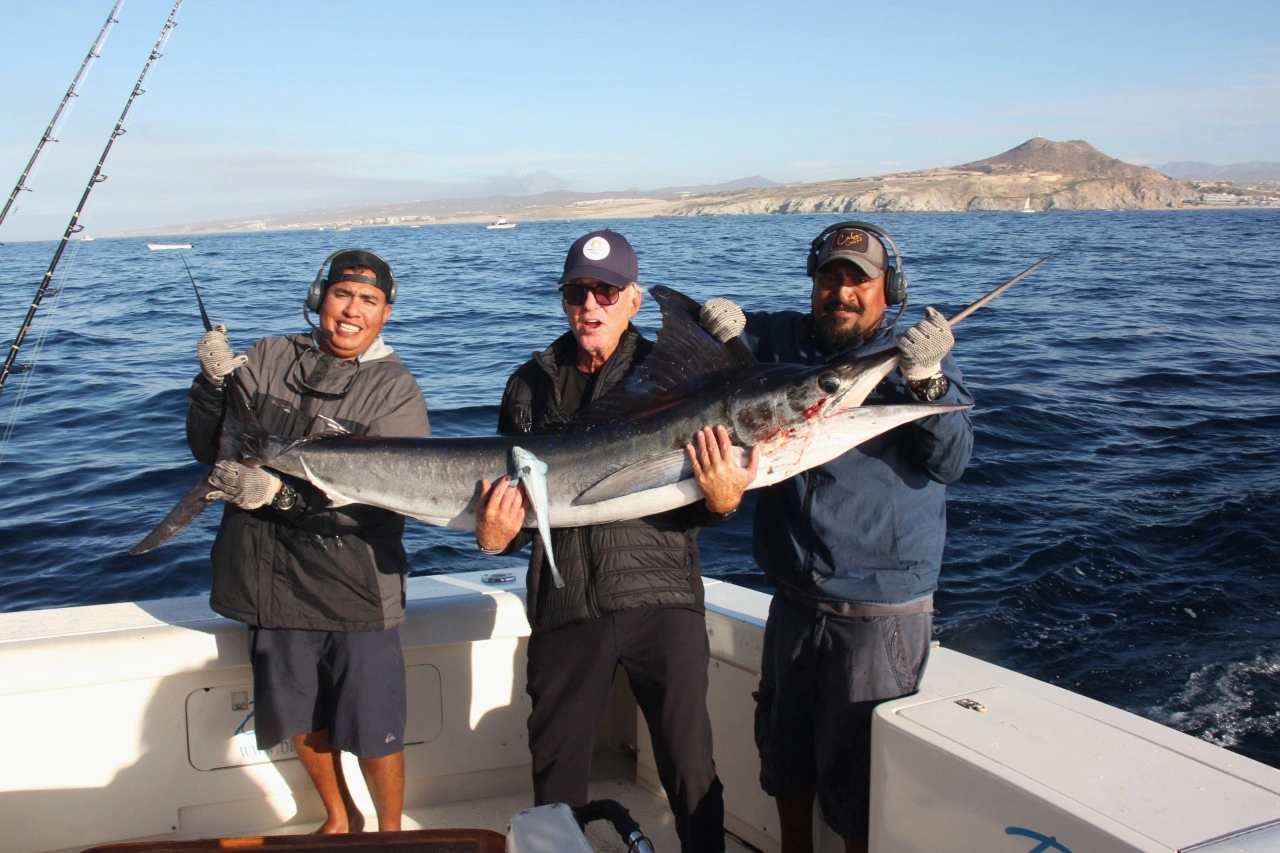
Cabo Marlin Fishing Reports
Marlin are some of Cabo’s most sought-after game fish, and reports often provide detailed updates:
Species activity: Striped and blue marlin are typically reported around offshore sargassum lines, temperature breaks, and deepwater canyons.
Peak season: Striped marlin peak May–September; blue marlin from July–December.
Techniques producing strikes: High-speed trolling, dredges, and teaser rigs are most effective.
Catch-and-release: Reports note whether marlin are being released, supporting sustainable fishing practices in Cabo.
Monitoring marlin reports allows anglers to select the best trolling areas, lures, and bait presentations.
Cabo Tuna Fishing Reports
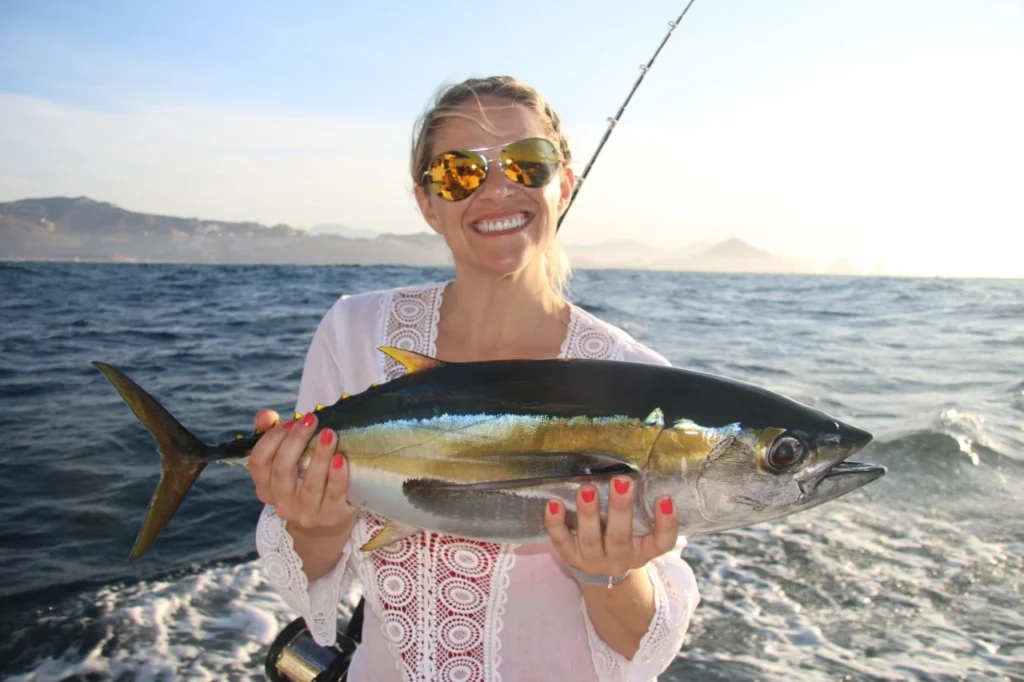
Yellowfin and skipjack tuna are a consistent draw for offshore trolling and live-bait trips:
Hotspots: Tuna patrol floating sargassum mats and lines of debris, feeding on smaller baitfish.
Bite reports: Indicate which trolling speeds, lure colors, and live-bait techniques are working.
Seasonal trends: Tuna numbers peak from May through October, with July–September producing the largest schools.
By consulting tuna reports, anglers can plan trips to maximize hookups and ensure proper tackle is ready.
Cabo Dorado (Mahi-Mahi) Fishing Reports
Dorado are fast, acrobatic fish that are abundant in Cabo waters during warm months:
Preferred locations: Floating sargassum mats offshore provide cover and feeding opportunities.
Trolling success: Reports indicate the best lure types, live-bait, and trolling patterns.
Seasonal patterns: May–September is peak dorado season.
Dorado reports also often highlight average sizes, helping anglers prepare rod and reel setups for trophy fish.
Cabo Snapper and Grouper Reports
For inshore bottom fishing, snapper and grouper reports are invaluable:
Hotspots: Reefs, rocky points, and submerged ledges consistently produce bites.
Bait and rig info: Live sardines, squid, or cut bait are commonly recommended, paired with circle hooks for safe release.
Seasonal trends: Spring and summer see the highest abundance, with fall remaining productive.
Reports frequently include depth ranges for each species, helping anglers target the right structure efficiently.
Cabo Wahoo and Amberjack Reports
Reports for fast offshore species like wahoo and amberjack give insight into both location and technique:
Wahoo hotspots: Sargassum lines and temperature breaks offshore.
Amberjack: Often around deep-water ledges and offshore rocky pinnacles.
Techniques: Trolling fast lures, live-bait drift, and bottom jigging are typically reported as most effective.
Seasonality: Both species are most active from June–October.
Cabo Inshore vs Offshore Fishing Reports
Cabo fishing reports often distinguish between inshore and offshore activity:
Inshore reports: Focus on snapper, grouper, amberjack, and smaller pelagic species. Hotspots include reefs, rocky points, bays, and sand flats. Reports include depth, bait, and rig recommendations.
Offshore reports: Highlight marlin, tuna, dorado, wahoo, and billfish. Key information includes sargassum lines, temperature breaks, drop-offs, and offshore canyons. Reports often include trolling speeds, lure patterns, and bite times.
Consulting both types of reports allows anglers to plan mixed trips, targeting multiple species in a single day.
Cabo Fishing Apps and Social Media Reports
Modern anglers benefit from real-time reports shared via apps and social platforms:
Instagram and Facebook: Many charters post daily catches, location hints, and tips.
Fishing apps: Platforms like FishAngler or iAngler allow users to log catches and share reports.
YouTube channels: Some Cabo charters post video recaps of daily trips, showing species, techniques, and bite conditions.
Following multiple platforms ensures you are informed about the latest conditions and can plan your trip accordingly.
Seasonal Cabo Fishing Reports
Cabo fishing activity varies by month and species. Understanding seasonal patterns helps anglers use reports more effectively:
Spring (March–May): Early inshore activity, increasing snapper and grouper bites.
Summer (June–August): Peak offshore species, including marlin, dorado, tuna, and wahoo. Calm waters improve trolling success.
Fall (September–November): Offshore species remain active; inshore snapper and grouper continue to bite. Water temperatures remain warm.
Winter (December–February): Cooler water slows offshore pelagics, but inshore species like snapper and amberjack remain fishable.
Reports often include expected seasonal activity, helping anglers choose the best months to target their favorite species.
How to Interpret Cabo Fishing Reports
To use fishing reports effectively:
Cross-reference multiple sources: Check websites, charter reports, and social media for consistency.
Adjust gear: Use reports to match rod, reel, line, and hook setups to current conditions.
Timing: Reports indicate morning, afternoon, or evening bite windows.
Location selection: Pinpoint reefs, drop-offs, sargassum lines, or canyons identified in reports.
Fishing reports are guides; combining them with expert local knowledge maximizes results.
Tips for First-Time Anglers Using Cabo Fishing Reports
For newcomers relying on reports:
Check daily reports: Conditions can change rapidly.
Bring appropriate gear: Rods, reels, lures, and tackle should match the species and techniques noted in reports.
Follow captain guidance: Crew experience combined with reports ensures success.
Patience is key: Bite times, species locations, and environmental conditions fluctuate daily.
Reports provide the roadmap; local knowledge ensures you get the fish.
Cabo Fishing Stories from Report-Based Trips
Many successful trips in Cabo are guided by fishing reports:
- Catching multiple marlin along a sargassum line noted in a morning report.
- Targeting snapper on a reef highlighted in inshore reports for a family-friendly adventure.
- Spotting dorado under floating mats during peak season, as noted in offshore reports.
These real-world examples show the power of combining reports with expert crews and local experience.
Final Thoughts on Cabo Fishing Reports
Fishing reports are essential for anyone visiting Cabo San Lucas. They provide insight into which species are active, where they are located, and which techniques are producing bites. By consulting websites, charter reports, social media, apps, and seasonal summaries, anglers can plan productive inshore and offshore trips. Combining reports with local expertise ensures an efficient, enjoyable, and successful fishing experience in Cabo.
Contact Cabo San Lucas Fishing
Website: www.cabosanlucasfishing.com
Email: info@cabosanlucasfishing.com
Phone: +1.780.919.6595
Ready to put Cabo fishing reports into action with a private charter? Call or email today to book your trip and experience world-class fishing in Cabo San Lucas firsthand!

