






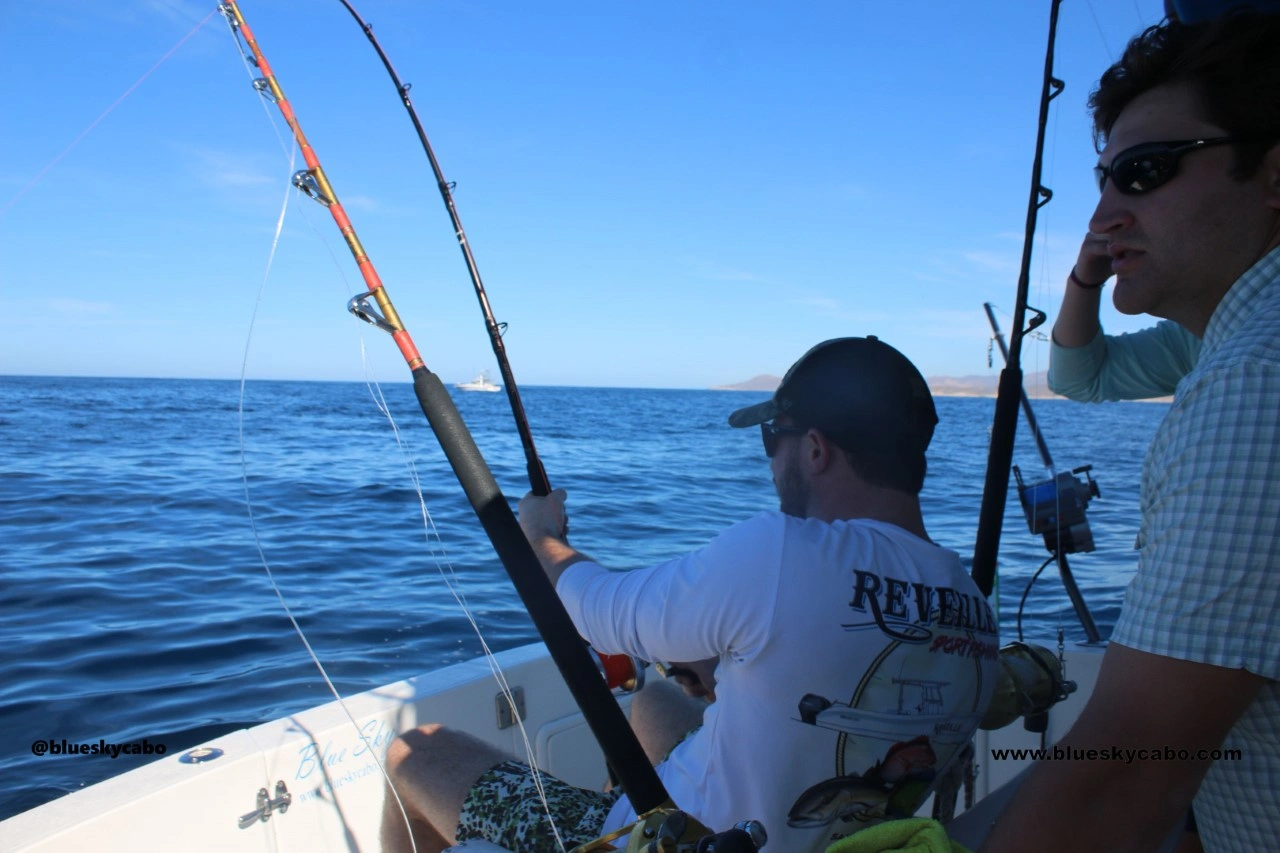
Cabo San Lucas is famous for its spectacular fishing, but timing is everything. Understanding the bite window — when fish are actively feeding — is critical to catching more marlin, tuna, dorado, roosterfish, snapper, and grouper. The key is knowing how tides, light, water temperature, and current work together to trigger strikes.
Understanding Cabo Fishing Bite Patterns
Fish in Cabo react to natural cues. Early morning, late afternoon, or periods when currents push bait toward the surface are often the most productive. Offshore species like marlin and dorado follow bait schools along banks and current edges, while inshore species like roosterfish and snapper respond to low light and moving water near rocky points.
Morning Bite: Early hours after sunrise are prime for marlin and tuna. Cooler surface water and calm conditions encourage active feeding.
Midday Lull: Many species slow down in the middle of the day, although some inshore predators continue to feed along reefs or sandy flats.
Afternoon/Early Evening Bite: Late afternoon can bring a second feeding surge, particularly for dorado and inshore species as light lowers and water movement increases.
Cabo Tides and the Fishing Bite
Tides significantly influence bite windows in Cabo:
Incoming Tide: Brings bait closer to shore, activating feeding for inshore fish like roosterfish, snapper, and grouper.
Outgoing Tide: Concentrates bait along offshore drop-offs and banks, ideal for marlin and tuna trolling.
Slack Tide: Can slow feeding but occasionally triggers ambushes as predators patrol concentrated bait schools.
A skilled captain will plan your trip to align with the optimal tide and bite window for your target species.
Seasonal Cabo Fishing Bite Windows
Winter (Dec–Feb): Cooler water slows pelagic activity. Roosterfish and snapper bite early mornings.
Spring (Mar–May): Water warming stimulates tuna and dorado activity; mornings and late afternoons are prime.
Summer (Jun–Aug): Peak season for marlin, sailfish, and dorado; feeding occurs throughout the day with morning and late afternoon highlights.
Fall (Sep–Nov): Bait schools near offshore banks drive strong late-season bites; early morning and sunset remain the best times.
Offshore Bite Windows in Cabo
Marlin and Sailfish: Most strikes occur just after sunrise and during late afternoon. Using caballito or rigged live bait near current edges dramatically increases hookups.
Tuna: Bite windows align with passing bait schools. Drift fishing with live bait or slow trolling with lures produces excellent results.
Dorado (Mahi-Mahi): Bite peaks around floating debris and weed lines in the mid-morning and late afternoon.
Inshore Bite Windows in Cabo
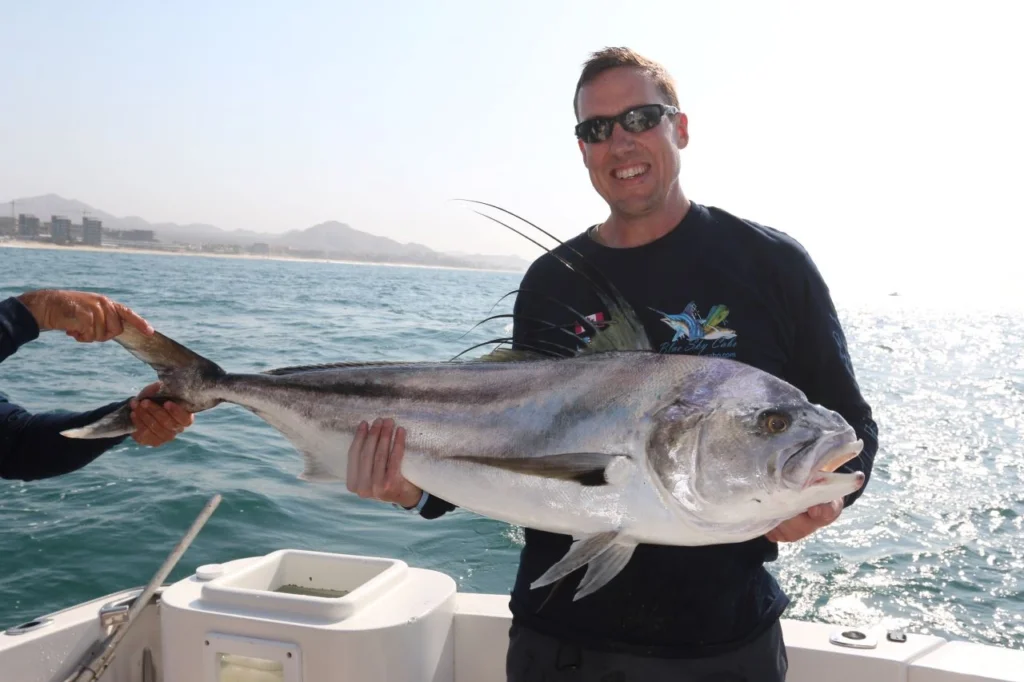
Roosterfish: Early morning and late afternoon are best. Sight-casting near surf zones and rocky points often leads to the biggest strikes.
Snapper and Grouper: These species bite along reefs and ledges during incoming and outgoing tides. Live bait or vertical jigs are most effective during these periods.
Jacks and Smaller Predators: Opportunistic feeders throughout the day, but low light periods provoke the most aggressive strikes.
Using Water Conditions to Maximize Cabo Fishing Bite
Water Temperature: Fish feed more aggressively in their preferred temperature range. Marlin, dorado, and tuna thrive in warm surface water, especially during calm morning and late afternoon periods.
Wind and Swell: Moderate wind and gentle rolling swell concentrate baitfish, triggering feeding frenzies.
Light Conditions: Sunrise and sunset encourage aggressive feeding, while mid-day sun can slow activity unless currents concentrate prey.
Pro Tips for Catching More Fish in Cabo
1. Book Around Prime Bite Windows: Ask your captain which tides and times offer peak activity.
2. Arrive Early: Early mornings consistently deliver high strike opportunities, especially for pelagic species.
3. Match Bait to Bite: Use live bait, slow-trolled lures, or teasers appropriate to the time of day and target species.
4. Be Observant: Look for bait schools, bird activity, and water movement — these often indicate active feeding zones.
5. Adapt During the Day: If morning bites slow, consider switching species or fishing location based on current conditions.
How to Stay Updated on Cabo Fishing Bite Windows
For the most accurate, current bite window updates, consult Cabo San Lucas Fishing. Their team monitors species activity, tides, water temperature, and weather to ensure anglers fish at the optimal time.
- Website: www.cabosanlucasfishing.com
- Email: info@cabosanlucasfishing.com
- Phone: +1.780.919.6595

