







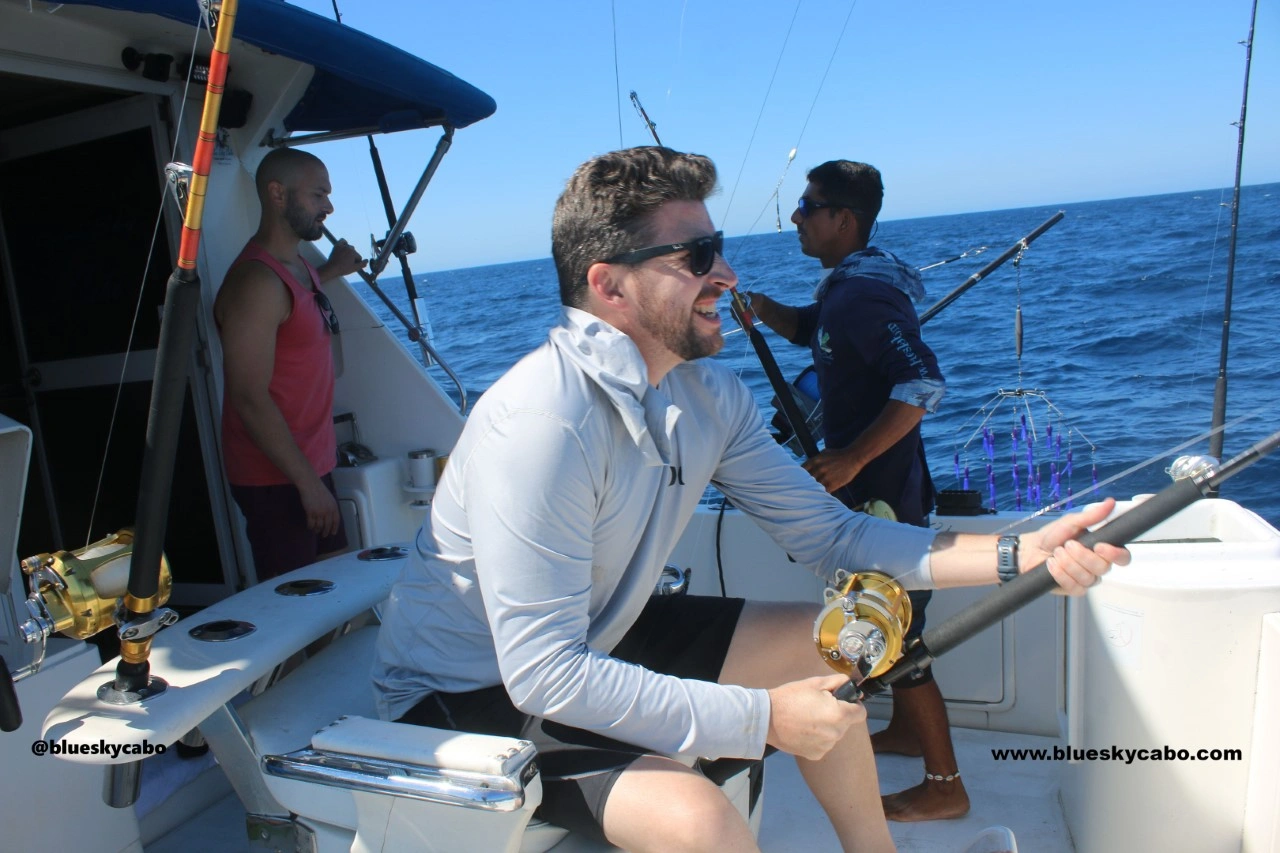
Cabo San Lucas is a top destination for anglers around the world. Its location at the tip of the Baja Peninsula allows access to both the Pacific Ocean and the Sea of Cortez, creating an ideal environment for diverse species, including marlin, sailfish, dorado, tuna, roosterfish, snapper, and grouper. One of the most important aspects of planning a fishing trip in Cabo is understanding the differences between morning and afternoon fishing. Timing, tides, water conditions, and species behavior all play a role in when the fish are most active.
How Timing Shapes Cabo Fishing Success
Fish activity in Cabo responds to natural patterns: sunlight, tides, currents, and water temperature. Morning fishing often provides calmer seas and cooler surface water, making it easier to spot bait schools and active predators. Afternoon fishing can trigger new bite windows, particularly when winds shift or currents push bait toward feeding zones.
Mornings are typically favored for pelagic species like marlin and tuna, while afternoons can produce exciting opportunities for dorado, roosterfish, and inshore predators. Skilled captains adjust fishing strategies based on these time-of-day dynamics.
Cabo Morning Fishing Report
Morning fishing in Cabo is widely regarded as highly productive for both offshore and inshore trips. Calm seas, light winds, and early light create ideal conditions to locate bait and trigger aggressive strikes.
Offshore Morning Fishing
Marlin and Sailfish: Early morning provides the most consistent strike rate. Cooler surface water and calm wind conditions allow trolling with caballito or rigged live bait along current breaks. Gordo Bank and 1150 Bank are often the hotspots for morning activity.
Dorado (Mahi-Mahi): Calm water helps anglers locate floating debris or weed lines where dorado gather. Early morning spotting improves targeting for surface strikes.
Tuna: Morning bait schools near offshore banks drive tuna activity. Live bait and slow trolling lures are highly effective during this time.
Inshore Morning Fishing
Roosterfish: Early hours provide prime opportunities for sight-casting along rocky points, beaches, and surf zones. Calm conditions improve visibility for cruising fish.
Snapper and Grouper: Incoming tides during morning trips often trigger aggressive feeding along reefs and ledges. Live bait or vertical jigs work best.
Jacks and Smaller Predators: Early light encourages active feeding, particularly for opportunistic species like jacks and small pelagics.
Pro Tip: Departing at sunrise maximizes the calm conditions and allows anglers to take advantage of the early morning bite window for multiple species.
Cabo Afternoon Fishing Report
Afternoon fishing brings its own set of advantages. Warmer surface water, shifting winds, and moving bait can trigger secondary feeding periods for both offshore and inshore species.
Offshore Afternoon Fishing
Marlin and Sailfish: Bite activity often occurs when currents push bait toward the surface. Using lures, teasers, or live bait near these concentrations can produce aggressive strikes.
Dorado: Afternoon feeding is often triggered near floating debris or weed lines as light shifts make the fish more visible.
Tuna: Offshore schools remain active as the day progresses, particularly along banks or debris. Slow trolling and live bait continue to produce productive results.
Inshore Afternoon Fishing
Roosterfish: Low light in late afternoon encourages coastal feeding. Outgoing tides often concentrate bait near shallow reefs and points.
Snapper and Grouper: Afternoon bites align with outgoing tides and current breaks along reef structures. Vertical jigs or live bait often produce strong hook-ups.
Jacks and Smaller Predators: Late-day feeding can be aggressive, particularly when birds and surface activity indicate concentrated bait.
Pro Tip: Monitor NW breezes in the afternoon. They can push bait into predictable feeding areas offshore or near structure for inshore species.
How Tides Influence Cabo Fishing Morning vs Afternoon
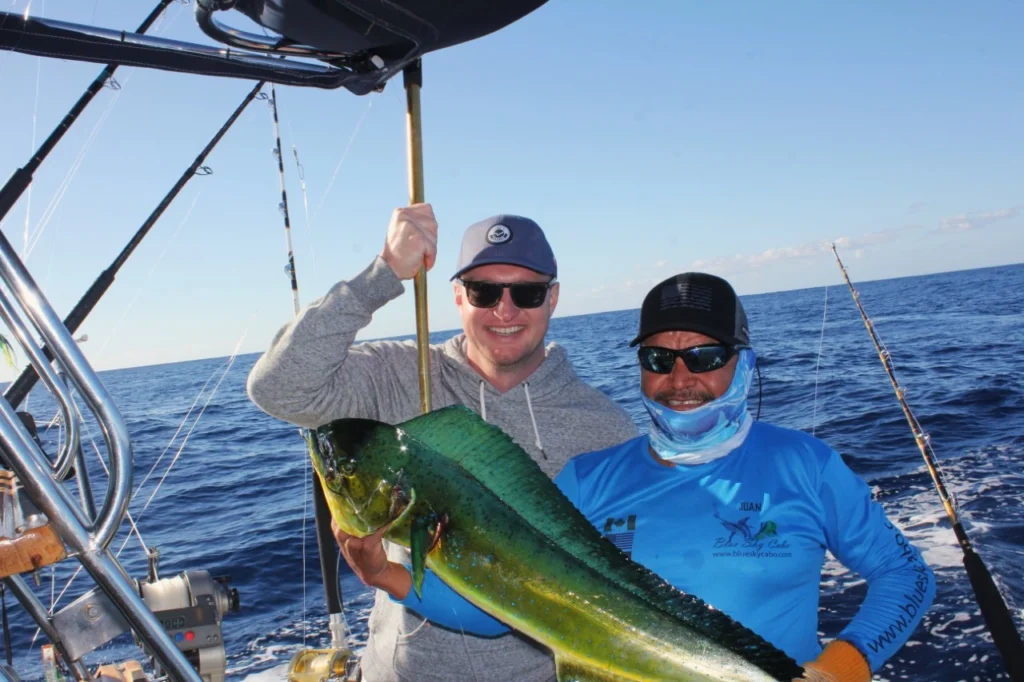
Tides are a critical factor in bite windows for Cabo fishing. Understanding how incoming, outgoing, and slack tides affect predator behavior and bait movement allows anglers to maximize their fishing time:
Incoming Tide: Brings baitfish closer to shore, activating feeding for inshore species such as roosterfish, snapper, and grouper.
Outgoing Tide: Pushes bait along offshore banks and drop-offs, ideal for marlin, tuna, and dorado trolling.
Slack Tide: Can slow activity but occasionally triggers ambush feeding along concentrated bait areas.
Aligning a charter with optimal tides ensures morning or afternoon fishing produces the best results for your target species.
Comparing Morning vs Afternoon Fishing by Species
| Species | Morning | Afternoon |
|---|---|---|
| Marlin | Peak strikes, calm seas, trolling | Aggressive near surface bait, teasers |
| Sailfish | Early morning feeding | Active near currents, low light |
| Dorado | Calm spotting of weed lines/debris | Aggressive near floating debris |
| Tuna | Productive near early bait schools | Active along moving offshore debris |
| Roosterfish | Sight casting along points and surf | Feeding near shallow reefs in low light |
| Snapper/Grouper | Incoming tide, early bites | Outgoing tide, late bites |
| Jacks & Smaller Predators | Opportunistic, early | Aggressive strikes in low light |
Seasonal Bite Patterns for Morning and Afternoon Fishing in Cabo
Winter (Dec–Feb): Cooler offshore water slows pelagic activity; mornings favor roosterfish, snapper, and jacks inshore. Afternoon offshore action is limited.
Spring (Mar–May): Warming water stimulates tuna, dorado, and billfish. Both morning and afternoon fishing are productive offshore and inshore.
Summer (Jun–Aug): Peak season for marlin, sailfish, and dorado. Early mornings and late afternoons offer the most consistent activity.
Fall (Sep–Nov): Offshore bait concentrations drive strong bite windows, both early and late. Mornings often favor trolling for marlin; afternoons are ideal for dorado and tuna near floating debris.
Seasonal patterns help anglers decide whether morning or afternoon trips are better for their target species, ensuring every hour on the water is productive.
Practical Tips for Maximizing Cabo Fishing Morning or Afternoon
Book trips around bite windows: Align charter times with tides and expected feeding periods.
Use the right bait and lures: Early morning favors live bait and trolling; afternoon bites respond well to teasers, poppers, or vertical jigs.
Observe water activity: Birds, bait schools, and surface strikes indicate active feeding areas.
Adjust for wind and swell: Morning calm allows stable trolling; afternoon NW breezes can concentrate bait or push predators toward structure.
Be adaptable: Switch species or fishing method based on real-time activity to maximize strikes.
Tracking Real-Time Cabo Fishing Conditions
For accurate, current bite windows and morning vs afternoon fishing insights, Cabo San Lucas Fishing provides up-to-date information on tides, water temperature, wind, and species activity.
- Website: www.cabosanlucasfishing.com
- Email: info@cabosanlucasfishing.com
- Phone: +1.780.919.6595

